

WeVote

Bill

Bill

HR 9315

To amend the Small Business Act, the Internal Revenue Code of 1986, title 40, United States Code, and title IV of the Social Security Act to replace the term "sheltered workshop" with "community rehabilitation program", and for other purposes.

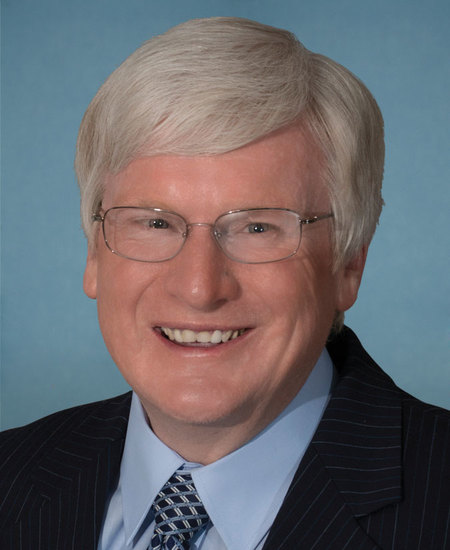
119th Congress Introduced by Glenn Grothman

The bill replaces the term “sheltered workshop” with “community rehabilitation program” across federal laws and programs to modernize terminology and reduce stigma.

Introduced in House
0
WeVote Research Nonpartisan
Bill Summary · HR 9315

Summary of HR 9315 (119th Congress)

Purpose and intent

  • The bill aims to replace the term “sheltered workshop” with “community rehabilitation program” across several federal laws and programs.
  • It seeks to modernize terminology related to employment programs for individuals with disabilities, aligning language with contemporary standards and reducing stigma.
  • The introductory text indicates a broader set of targeted reforms to the Small Business Act, the Internal Revenue Code, the Civil Works/Title 40 utilities, and Title IV of the Social Security Act, to implement this terminology change and related provisions as applicable.

Key provisions and changes

  • Terminology update:
    • Replaces the term “sheltered workshop” with “community rehabilitation program” in cited statutes and program descriptions.
  • Cross-cutting references:
    • While the bill’s title mentions amendments to:
    • The Small Business Act
    • The Internal Revenue Code of 1986
    • Title 40, United States Code
    • Title IV of the Social Security Act
    • The primary substantive change highlighted is the shift in terminology; the text suggests accompanying provisions tailored to align programs and reporting with the new terminology.
  • Potential related changes (implied by jurisdictional scope):
    • The bill could trigger adjustments in program definitions, eligibility criteria, reporting, or funding mechanisms tied to “community rehabilitation programs” in agency guidance and regulations.
    • Administrative and procurement language may be updated to reflect the new term in relevant federal departments.

Who or what would be affected

  • Individuals with disabilities participating in federally funded employment or rehabilitation programs could be affected by changes in program naming, branding, and any clarifications tied to the new terminology.
  • Federal agencies implementing Small Business Act programs, tax provisions, federal facilities management (Title 40), and Social Security Title IV programs may need to revise definitions, guidance, forms, and reporting to reflect the term change.
  • Service providers and employers engaged with rehabilitation-related employment programs may experience updated program materials and compliance requirements.

Procedural and timeline aspects

  • Introduction and referral:
    • Introduced in the House on June 15, 2026.
    • Referred to the Committee on Ways and Means and, in addition, to the Committee on Small Business and the Committee on Transportation and Infrastructure, for consideration of provisions within each committee’s jurisdiction.
  • Sponsor:
    • Co-sponsored by Rep. Glenn Grothman.
  • Next steps:
    • Committees will review for jurisdiction-specific provisions, hold hearings if applicable, and draft amendments.
    • Any floor action would depend on committee reports and leadership decisions, with potential passage or further modification.

Notes

  • The summary focuses on the stated objective of updating terminology and the structural jurisdictional referrals noted in the action history.
  • The bill’s broader policy impact beyond terminology (e.g., program funding, administration) would hinge on the text of the amendments actually adopted by committees and any accompanying cost or regulatory impact analyses.

Compiled from official sources — confirm details with the bill’s official record.

Sign in to ask a question.