

WeVote

Bill

Bill

HR 9587

Summer Meals REACH Act of 2026

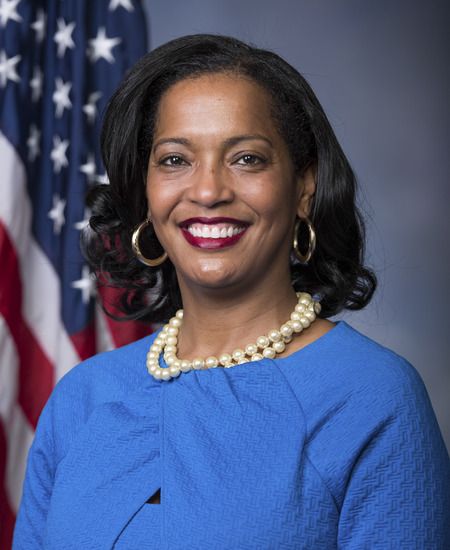
119th Congress Introduced by Jahana Hayes and 1 co-sponsor

The bill aims to ease and streamline Summer Food Service Program requirements by removing or reducing certain rules for sponsors and operations.

Introduced in House
0
WeVote Research Nonpartisan
Bill Summary · HR 9587

Overview

HR 9587, introduced in the 119th Congress, seeks to amend the Richard B. Russell National School Lunch Act to eliminate certain requirements under the Summer Food Service Program (SFSP) for children, along with other related purposes. The bill has been referred to the House Committee on Education and Workforce and has two named co-sponsors: LaMonica McIver and Jahana Hayes.

Purpose and Intent

  • The core aim is to modify the existing requirements governing the Summer Food Service Program for children.
  • Specifically, the legislation intends to remove or reduce certain regulatory obligations within the SFSP, potentially easing administration for sponsors and expanding flexibility in program operations.
  • The bill is framed as a reform or simplification measure intended to streamline summer nutrition services for children.

Key Provisions and Changes (as described)

  • Amendments to the Richard B. Russell National School Lunch Act related to the SFSP.
  • Elimination of certain requirements currently imposed on SFSP sponsors and operations.
    • Details such as which specific requirements would be removed (e.g., administrative, reporting, meal service or site operation rules) are not provided in the summary available here.
  • The bill may introduce changes intended to increase program flexibility, reduce regulatory burden, or adjust compliance standards for SFSP activities during the summer months.

Who and What Would Be Affected

  • Primary Affected Entity: Sponsors and operators of the Summer Food Service Program for Children (which can include schools, nonprofit organizations, local governments, and other entities approved to run SFSP sites).
  • Beneficiaries: Children eligible for free or reduced-price meals during the summer months, and communities serving as SFSP sites.
  • Potential Impacts:
    • Administrative burden and compliance requirements for SFSP sponsors may be reduced.
    • Operational flexibility for planning, staffing, meal service, and site operations during summer feeding programs.
    • Possible implications for program oversight, reporting, and accountability measures, depending on the specific requirements eliminated or altered.

Procedural and Timeline Aspects

  • Introduction: The bill was introduced in the House and assigned to the Committee on Education and Workforce.
  • Action History: On 2026-07-02, the bill was introduced and referred to the committee for study and consideration.
  • Next Steps: Committee review, potential amendments, and subsequent floor consideration or further committee actions as dictated by House procedures.

Notes for Readers

  • The available summary does not specify the exact statutory text or the precise provisions being removed or modified. For a complete understanding, consult the bill’s full text, committee reports, and any fiscal or impact analyses.
  • The bill’s stated framing as “and for other purposes” suggests there may be ancillary provisions beyond SFSP modifications; these would become clear upon review of the introduced language.

Compiled from official sources — confirm details with the bill’s official record.

Sign in to ask a question.