

WeVote

Bill

Bill

HR 10182

To amend the Public Works and Economic Development Act of 1965 to require eligible recipients of certain grants to develop a comprehensive economic development strategy that directly or indirectly increases the accessibility of affordable, quality care-based services, and for other purposes.

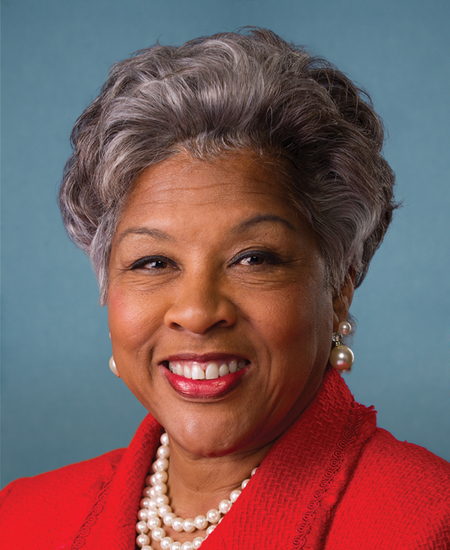
119th Congress Introduced by Joyce Beatty and 4 co-sponsors

The bill requires grant recipients to include a comprehensive economic development plan that explicitly expands access to affordable, quality care services.

Introduced in House
0
WeVote Research Nonpartisan
Bill Summary · HR 10182

Overview

HR 10182, introduced in the 119th Congress, seeks to amend the Public Works and Economic Development Act of 1965. The core aim is to require eligible recipients of certain grants to develop a comprehensive economic development strategy that directly or indirectly increases the accessibility of affordable, quality care-based services. The bill adds a focus on care-based services (such as health care, child care, elder care, and related supports) within approved economic development plans and grant programs.

Purpose and intent

  • To integrate care accessibility objectives into economic development planning.
  • To ensure that federal investments in public works and economic development bolster affordable, quality care services as part of broader community development.
  • To promote strategies that align infrastructure, workforce development, and healthcare/childcare access to support economic growth and resilience.

Key provisions and changes

  • Eligibility and planning: Recasts or expands the criteria for grant recipients under the Public Works and Economic Development Act to require a comprehensive economic development strategy (CEDS) that explicitly addresses access to affordable, quality care-based services.
  • Scope of strategies: The CEDS must consider how funded projects and activities affect the availability, affordability, and quality of care services, and how improving care access can bolster local economic conditions.
  • Direct or indirect impact: The bill emphasizes both direct improvements (e.g., building or expanding care facilities) and indirect improvements (e.g., workforce development, transportation, or coordination that enhances care access).
  • Federal alignment: Recipients would need to align their development activities with federal program goals, ensuring that investments contribute to improving community care ecosystems alongside infrastructure and traditional economic development outcomes.
  • Reporting and accountability: Likely requires reporting on how proposed projects influence care access and related metrics as part of grant administration and evaluation (exact reporting details would be specified in the implementing regulations).

Who would be affected

  • Eligible recipients of Public Works and Economic Development Act grants (typically local governments, economic development districts, and other qualified entities).
  • Stakeholders within communities receiving funds, including health care providers, child care providers, elder care services, workforce development organizations, and local planning agencies.
  • Federal program administrators within the Department of Commerce (or successor agencies administering the EDA) and any other federal entities involved in implementing the amendments.

Procedural and timeline considerations

  • Introduction and referral: The bill was introduced and referred to the Committee on Transportation and Infrastructure, and to the Committee on Financial Services for parallel jurisdictional review.
  • Committee process: As with similar bills, passage would depend on committee consideration, potential amendments, and reporting back to the House.
  • Effective date and implementation: The bill does not specify in this summary the exact effective date; typically, amendments to grant programs include transition language and phased implementation in the accompanying text or later regulations.

Potential impact

  • Policy shift: Elevates care access as a central consideration in federal infrastructure and economic development investments.
  • Local outcomes: Could improve community well-being and labor force participation by expanding access to affordable, quality care services, potentially attracting employers and supporting worker productivity.
  • Federal oversight: Increases the emphasis on outcome metrics related to care access within funded projects, influencing how grant proposals are evaluated and measured.

If you’d like, I can tailor this summary to focus on specific grant programs under the Public Works and Economic Development Act or compare with existing CARE-related provisions in similar bills.

Compiled from official sources — confirm details with the bill’s official record.

Sign in to ask a question.