

WeVote

Bill

Bill

HR 4165

To amend the Public Health Service Act to provide for the inclusion of a biological attribution strategy, and an early warning strategy and implementation plan, in the National Health Security Strategy, and for other purposes.

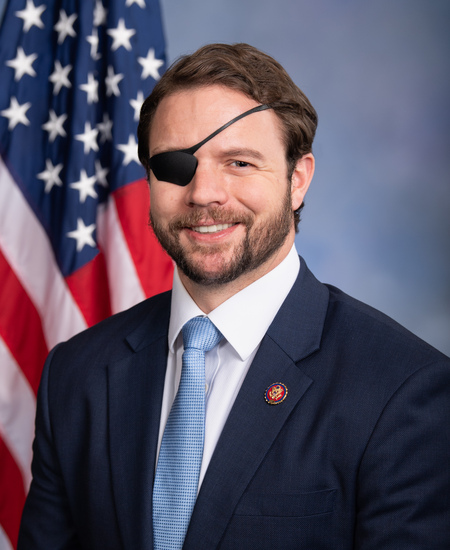
119th Congress Introduced by Dan Crenshaw and 1 co-sponsor

HR 4165 enhances U.S. preparedness for biological threats by establishing a coordinated strategy for attribution, improving federal response to potential pandemics.

Introduced in House
0
WeVote Research Nonpartisan
Bill Summary · HR 4165

Summary of HR 4165: Biological Attribution Strategy Amendment

Bill Number: HR 4165
Introduced On: June 26, 2025
Status: Introduced in House
Primary Sponsor: Dan Crenshaw
Cosponsor: Eric Swalwell

Purpose and Intent

HR 4165 aims to amend the Public Health Service Act to enhance the United States' preparedness for biological hazards and potential pandemics. The bill seeks to establish a comprehensive biological attribution strategy within the National Health Security Strategy, which would improve federal coordination and response to biological threats.

Key Provisions

The bill introduces several significant amendments to Section 2802 of the Public Health Service Act:

  1. Biological Attribution Strategy Development:

    • The bill mandates the development of a biological attribution strategy to improve federal coordination regarding biological hazards and pathogens with pandemic potential.
  2. Detailed Strategy Components:

    • The biological attribution strategy must include:
      • Duties of Federal Agencies: A clear description of the responsibilities of each relevant federal agency concerning biological attribution, including:
      • Routine biological attribution activities.
      • Criteria for determining the source, cause, or origin of biological events.
      • Agencies' capabilities for conducting biological attribution.
      • Attribution Determination Process: A defined process for how federal agencies will make biological attribution determinations, incorporating national security considerations.
      • Assignments and Timelines: Establishment of assignments, milestones, and timelines to build national capacity for biological attribution.
      • Technology Development Plan: A plan for identifying and implementing new technologies, focusing on diagnostic, sequencing, and safe collection capabilities through public-private partnerships.
  3. Coordination with Federal Agencies:

    • The Secretary of Health and Human Services is required to coordinate with relevant federal agencies, including:
      • The Administration for Strategic Preparedness and Response
      • The Office of Science and Technology Policy
      • The Office of the Director of National Intelligence

Impact

The implementation of HR 4165 is expected to enhance the federal government's ability to respond to biological threats effectively. By establishing a clear strategy and coordination framework, the bill aims to improve public health security and preparedness against potential pandemics.

Procedural Aspects

  • Referral: The bill was referred to the House Committee on Energy and Commerce on the same day it was introduced.
  • Next Steps: The bill will undergo review and discussion within the committee before potentially moving to the House floor for a vote.

Conclusion

HR 4165 represents a proactive approach to strengthening the United States' public health infrastructure in the face of biological threats. By focusing on biological attribution and inter-agency coordination, the bill aims to enhance national security and public health preparedness.

Compiled from official sources — confirm details with the bill’s official record.

Sign in to ask a question.