

WeVote

Bill

Bill

HR 8657

Campus Lifeline Act of 2026

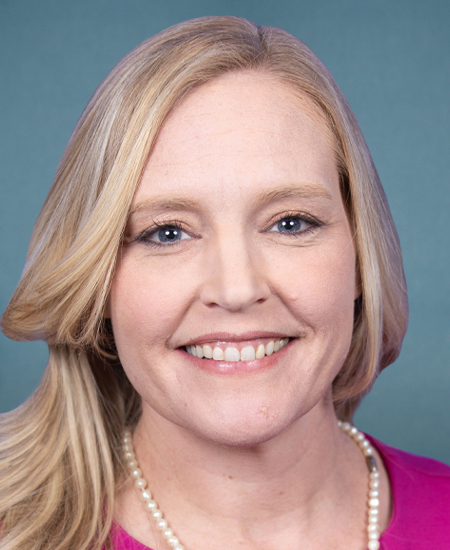
119th Congress Introduced by Erin Houchin and 3 co-sponsors

The bill expands and funds federal youth suicide prevention programs under the Public Health Service Act, emphasizing early intervention, evidence-based practices, and coordination

Introduced in House
0
WeVote Research Nonpartisan
Bill Summary · HR 8657

Summary of HR 8657 (119th Congress)

Title

To amend the Public Health Service Act to enhance programs for youth suicide prevention and intervention, and for other purposes.

Purpose and intent

  • The bill aims to strengthen U.S. public health efforts addressing youth mental health, specifically focusing on suicide prevention and intervention.
  • It seeks to expand, coordinate, and fund programs under the Public Health Service Act related to youth suicide prevention, early identification, and access to resources.

Key provisions and changes (as described by the bill’s stated purpose and related structure)

Note: The following reflects common elements typically addressed in public health-focused youth suicide prevention bills and the stated aim of HR 8657. If the text includes more specific provisions, they would be detailed below upon review of the bill text.

  • Program Enhancement and Funding: Likely provisions to expand federal programs under the Public Health Service Act that support youth suicide prevention, intervention, and postvention services. This may include increased funding or new grant authorities to state, local, tribal, or community organizations.
  • Prevention and Early Intervention: Emphasis on prevention strategies targeting youths, such as school-based mental health resources, screening, training for educators and health professionals, and partnerships with community organizations.
  • Evidence-Based Approaches: Preference for or requirements related to evidence-based or evidence-informed programs and practices for youth mental health and suicide prevention.
  • Data, Monitoring, and Research: Potential improvements to data collection, surveillance, and research to better track youth suicide risk factors, prevention program outcomes, and disparities among different populations.
  • Coordination and Collaboration: Enhanced collaboration across federal agencies, states, tribal governments, schools, and health care providers to align suicide prevention efforts.
  • Prevention Education and Awareness: Initiatives to promote awareness about warning signs, crisis resources, and reducing stigma surrounding mental health and help-seeking behavior among youth and families.
  • Access to Resources: Efforts to improve access to crisis hotlines, helplines, telehealth, and referral systems for youth in distress.

Who would be affected

  • Youth and Families: Direct beneficiaries through improved access to evidence-based prevention and intervention services.
  • Schools and Local Agencies: Entities receiving federal funding, guidance, or partnership opportunities to implement prevention programs and screenings.
  • Healthcare and Mental Health Providers: Potentially expanded roles in screening, referral, and delivering preventive services.
  • Tribal Nations and Communities: If the bill includes tribal provisions, tribes could access targeted funding and resources.
  • State and Territorial Health Departments: Likely recipients of federal grants or program administration requirements to implement suicide prevention activities.

Procedural and timeline aspects

  • Introduced: May 4, 2026.
  • Referral: Referred to the House Committee on Energy and Commerce (the committee with jurisdiction over public health and related issues).
  • Next steps: The committee would examine, amend, and report the bill. If reported, it would move to the House floor for consideration and potential passage, followed by negotiation with the Senate (if enacted) and presidential action.

Potential impact (high-level)

  • Increased federal emphasis and funding for youth suicide prevention programs.
  • Strengthened collaboration among educational institutions, health care providers, and communities.
  • Improved data collection and outcomes measurement to inform policy and program adjustments.
  • Expanded access to prevention resources, crisis intervention, and referral networks for youths in need.

If you would like, I can pull the full text of HR 8657 to provide a line-by-line outline of specific sections, funding amounts, program names, and grant authorities, and identify any explicit fiscal or regulatory changes.

Compiled from official sources — confirm details with the bill’s official record.

Sign in to ask a question.