

WeVote

Bill

Bill

HR 8317

Tech to Save Moms Act

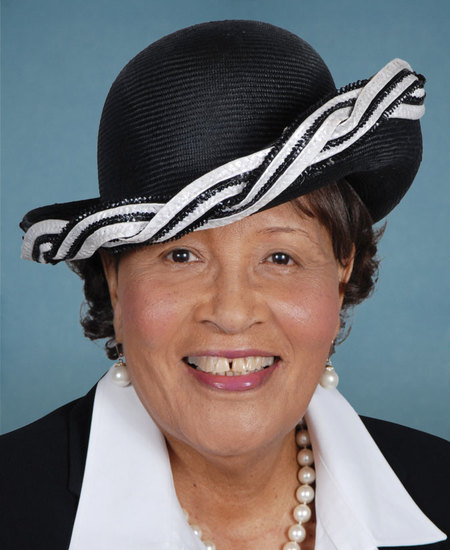
119th Congress Introduced by Alma Adams and 15 co-sponsors

The bill authorize grants to develop and scale tech-enabled collaborative learning and capacity-building models to improve maternal health outcomes and equity.

Introduced in House
0
WeVote Research Nonpartisan
Bill Summary · HR 8317

Summary of HR 8317 (119th Congress)

Title

To amend the Public Health Service Act to authorize grants to evaluate, develop, and expand the use of technology-enabled collaborative learning and capacity building models to improve maternal health outcomes, and for other purposes.

Purpose and Intent

  • The bill aims to enhance maternal health outcomes by funding and supporting innovative, technology-enabled approaches that facilitate collaborative learning and capacity building among health care providers, public health programs, and communities.
  • Specifically, it authorizes grants under the Public Health Service Act to evaluate and scale models that use technology to enable collaboration, knowledge sharing, training, and system strengthening related to maternal health.

Key Provisions and Changes

  • Grant Authority under the Public Health Service Act: Establishes or expands authority to award grants for projects that leverage technology-enabled collaborative learning and capacity-building approaches focused on maternal health.
  • Evaluation Component: Grants must support evaluation activities to assess effectiveness, implementation fidelity, and outcomes related to maternal health improvements.
  • Development and Expansion of Models: Funding to develop new models and to expand successful telelearning, e-learning, remote training, data-sharing platforms, decision-support tools, and other digital collaboration mechanisms aimed at maternal health providers and systems.
  • Collaboration and Capacity Building: Emphasizes building capacity among providers, health departments, community organizations, and other stakeholders to improve access to quality maternal care, particularly in underserved or high-need populations.
  • Technology-Enabled Approaches: Focus on digital tools and platforms that enable:
    • Shared curricula and training modules
    • Virtual coaching and mentorship
    • Telemedicine, remote monitoring, and digital decision support
    • Data integration and secure information exchange to support maternal health planning and outcomes tracking
  • Reporting and Accountability: Likely includes reporting requirements to Congress or the relevant agency on grant activities, milestones, and outcomes, though specific detail would appear in the text of the bill.

Who Would Be Affected

  • Eligible Grantees: Health care providers, safety-net and community health organizations, state and local public health departments, behavioral health and maternal health programs, academic institutions, and nonprofit organizations involved in maternal health.
  • Beneficiaries: Pregnant people, new mothers, and communities affected by maternal health disparities, with an emphasis on improving access, quality, and outcomes.
  • Systems and Stakeholders: Federal program administrators, state and local health agencies, health care facilities, and technology partners supporting collaborative learning platforms and capacity-building activities.

Procedural and Timeline Aspects

  • Introduction and Referral: The bill was introduced in the House and referred to the House Committee on Energy and Commerce on April 15, 2026.
  • Status: As of the provided action history, the bill has been referred to committee; no further committee action or floor action is listed.
  • Implementation Timeline: While not specified in the summary, typical grant programs would include a funding authorization period, grant cycles, and reporting milestones to monitor progress and outcomes.

Additional Notes

  • The measure reflects a policy interest in leveraging digital learning and collaborative networks to address maternal health disparities and improve outcomes.
  • Specific grant amounts, funding duration, eligible populations, defined metrics, and administrative details would be clarified in the final text of the bill and related agency guidance.

If you’d like, I can pull in language from the bill’s sections (once available) to provide more precise provisions, definitions, and grant mechanics.

Compiled from official sources — confirm details with the bill’s official record.

Sign in to ask a question.