

WeVote

Bill

Bill

HR 9432

LIFT the BAR Act

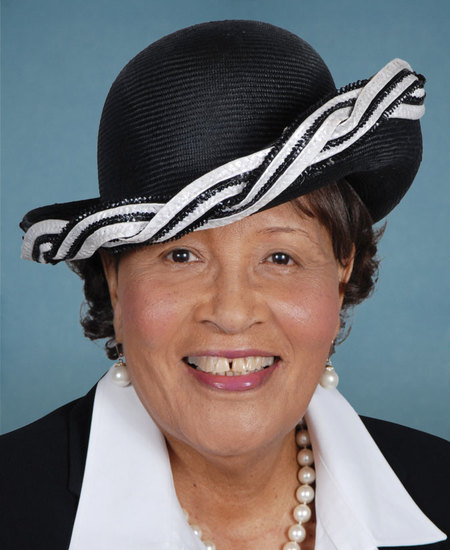
119th Congress Introduced by Alma Adams and 95 co-sponsors

Amends PRWORA to expand or modify federal benefits for noncitizens, outlining who qualifies, funded by reconciliation and affecting related eligibility and administration.

Introduced in House
0
WeVote Research Nonpartisan
Bill Summary · HR 9432

Overview

  • Bill: HR 9432
  • Session: 119
  • Jurisdiction: United States
  • Title: To amend the Personal Responsibility and Work Opportunity Reconciliation Act of 1996 and an Act to provide for reconciliation pursuant to title II of H. Con. Res. 14 (Public Law 119-21) to provide certain benefits to noncitizens, and for other purposes.
  • Introduced: 2026-06-24
  • Primary aim: Make amendments to the 1996 welfare reform law and related reconciliation legislation to extend or modify benefits for noncitizens, among other changes. The full text would specify exact benefit changes, eligibility criteria, funding, and implementation details.

Key provisions and changes (as described by the bill’s title and related actions)

  • Amends the Personal Responsibility and Work Opportunity Reconciliation Act of 1996 (PRWORA):
    • Potentially adjusts rules governing noncitizen eligibility for federal assistance programs, work requirements, and related welfare safeguards.
    • Could modify the balance between work requirements, time-limited benefits, and immigration status-based eligibility.
  • Reconciliation framework change (Pursuant to H. Con. Res. 14, Public Law 119-21):
    • Uses reconciliation procedures to advance the bill’s provisions, potentially affecting budgetary considerations, timelines, and legislative speed.
    • Likely outlines targeted funding mechanisms to support expanded or revised benefits for noncitizens.
  • Focus on benefits for noncitizens:
    • The bill aims to provide “certain benefits” to noncitizens, which may include access to means-tested programs, temporary assistance, or other federal benefits. The exact programs and eligibility criteria would be detailed in the bill text.
  • Cross-cutting provisions:
    • Given the referral to multiple committees (Ways and Means; Agriculture; Education and Workforce; Energy and Commerce; Judiciary; Financial Services), the bill likely contains provisions touching:
    • Tax and budgetary impact (Ways and Means)
    • Agriculture and nutrition programs (Agriculture)
    • Education and workforce supports (Education and Workforce)
    • Commerce, health, and infrastructure considerations (Energy and Commerce)
    • Legal/immigration and civil rights issues (Judiciary)
    • Financial regulatory and consumer protections (Financial Services)

Who would be affected

  • Noncitizens:
    • Beneficiaries of the proposed expanded or revised benefits, subject to the bill’s eligibility standards.
  • U.S. citizens and eligible immigrants:
    • Potential indirect effects through budgetary allocations, program funding, and administrative changes.
  • Federal program administrators:
    • Agencies implementing PRWORA-related programs would implement new eligibility rules and funding streams.
  • Employers and workforce:
    • If work requirements or eligibility pathways are adjusted, there could be downstream effects on labor participation, administrative reporting, and program coordination with employment services.

Procedural and timeline aspects

  • Introduction and referrals:
    • Introduced 2026-06-24.
    • Referred to the Committee on Ways and Means, with parallel referrals to Agriculture, Education and Workforce, Energy and Commerce, the Judiciary, and Financial Services (for provisions within each committee’s jurisdiction).
  • Next steps in committee:
    • Each affected committee would review provisions within its jurisdiction, potentially holding hearings, marking up amendments, and reporting the bill back to the House.
  • Budgetary path:
    • The mention of reconciliation indicates an expedited budget process, allowing for expedited consideration of spending-related provisions, subject to Congressional budget rules and reconciliation instructions.
  • Political dynamics:
    • The large number of co-sponsors suggests broad Congressional interest; however, actual passage would depend on committee actions, floor debate, and potential amendments.

Practical considerations for readers

  • To assess the bill’s impact, readers should review the full text to identify:
    • Which noncitizen groups are targeted (e.g., length of residence, asylum-seekers, refugees, documented immigrants).
    • Specific programs affected (e.g., SNAP, TANF, housing assistance) and any new or revived benefits.
    • Eligibility criteria, caps, sunset provisions, and work or contribution requirements.
    • Funding levels, duration of funding, and any new revenue or offset measures.
    • Administrative changes, waivers, or state-level implementation roles.

If you’d like, I can pull the bill’s text and provide a section-by-section breakdown of exact provisions, eligibility changes, funding, and timelines.

Compiled from official sources — confirm details with the bill’s official record.

Sign in to ask a question.