

WeVote

Bill

Bill

HR 9440

To amend the Omnibus Crime Control and Safe Streets Act of 1968 to provide for grants for State firearms dealer licensing programs, and for other purposes.

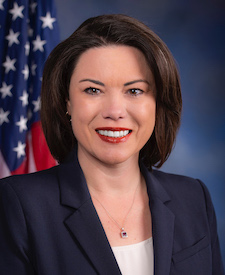
119th Congress Introduced by Angie Craig and 12 co-sponsors

The bill would authorize federal grants to states to create and fund firearms dealer licensing programs, with standards, oversight, and reporting to improve compliance and accounta

Introduced in House
0
WeVote Research Nonpartisan
Bill Summary · HR 9440

Overview

HR 9440, introduced in the 119th Congress and referred to the House Committee on the Judiciary, aims to amend the Omnibus Crime Control and Safe Streets Act of 1968 to establish grants for State firearms dealer licensing programs and related purposes. The bill has a broad group of co-sponsors from the House.

Purpose and Intent

  • Create federal grant authority to support State-level licensing of firearms dealers.
  • Strengthen the regulatory framework around firearms sales by promoting formal licensing processes at the state level.
  • Align federal funding and oversight with state efforts to improve firearms dealer accountability and regulatory compliance.

Key Provisions and Changes

  • Amends the Omnibus Crime Control and Safe Streets Act of 1968 to authorize grants specifically for State firearms dealer licensing programs.
  • Establishes eligibility, funding mechanisms, and administrative requirements for such grants (as laid out in the bill's text; details such as grant amount caps, matching requirements, reporting, and oversight provisions would be defined in the statutory language and accompanying guidance).
  • Potentially requires states to implement or maintain licensing schemes for firearms dealers that meet federally defined standards in order to receive grant funds.
  • May include reporting, evaluation, and compliance provisions to ensure effectiveness and accountability of state licensing programs.

(Note: The summary reflects typical elements of grant-authorization provisions in similar legislation. The exact numeric details—such as funding ceilings, matching requirements, grant durations, and evaluation metrics—would be specified in the bill’s text.)

Who Would Be Affected

  • State and local governments: Primarily those responsible for establishing or administering firearms dealer licensing programs and applying for the federal grants.
  • Firearms dealers: Indirectly affected, as licensing requirements at the state level become more standardized and potentially stricter if states adopt or strengthen licensing under the program.
  • Federal and state law enforcement and regulatory agencies: Involved in oversight, compliance, and enforcement related to licensing standards and grant administration.

Procedural and Timeline Aspects

  • Status: Referred to the House Committee on the Judiciary as of June 24, 2026.
  • Introduction: Introduced in the House on June 24, 2026.
  • Next steps: Committee consideration, potential markup, and, if approved, passage by the House and onward referral to the Senate (subject to legislative process and timing).

Notable Context

  • The bill aligns with broader discussions about enhancing oversight of firearms commerce through licensing and regulatory mechanisms at the state level, funded or supported through federal grant programs.
  • Co-sponsors include a range of members from different districts, indicating bipartisan interest in addressing firearms regulation and dealer accountability through federally funded state programs.

Practical Implications to Watch

  • The availability and size of federal grants to states for licensing programs, including any requirements states must meet to qualify.
  • The design of licensing standards: what constitutes acceptable licensing processes, background checks, inspections, and compliance measures.
  • Oversight and reporting mandates to ensure funds are used effectively and lead to measurable improvements in dealer licensing and public safety.
  • Interplay with existing state laws and federal firearms regulations, and whether states must harmonize their licensing schemes with federal definitions or expectations set in the bill.

Compiled from official sources — confirm details with the bill’s official record.

Sign in to ask a question.