

WeVote

Bill

Bill

SB 396

TO AMEND THE LAW CONCERNING HUNTING AND FISHING LICENSES; AND TO AUTHORIZE THE ARKANSAS STATE GAME AND FISH COMMISSION TO ISSUE TO CERTAIN NONRESIDENTS A HUNTING OR FISHING LICENSE FOR THE COST OF A RESIDENT LICENSE.

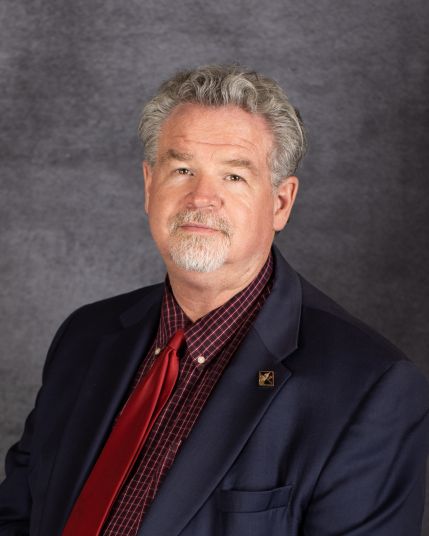
2025 Regular Session Introduced by Alan Clark

SB 396 enhances licensure for Florida's cardiac programs, ensuring hospitals meet strict standards to improve patient safety and care in cardiovascular treatments.

Sine Die adjournment
0
WeVote Research Nonpartisan
Bill Summary · SB 396

Summary of SB 396: Cardiac Services Providers

Bill Information:
- Bill Number: SB 396
- Title: Cardiac Services Providers
- Status: Filed
- Introduced: November 5, 2025
- Sponsor: Senator Leek
- Effective Date: October 1, 2026

Purpose and Intent

SB 396 aims to enhance the licensure requirements for adult cardiovascular programs in Florida. The bill seeks to ensure that hospitals providing cardiac services meet updated industry standards, thereby improving patient care and safety in cardiovascular interventions.

Key Provisions

The bill amends section 395.1055 of the Florida Statutes, introducing significant changes to the licensure process for Level I and Level II adult cardiovascular programs:

1. Licensure Levels

  • Level I Program:

    • Authorizes adult percutaneous cardiac interventions without onsite cardiac surgery.
    • Requires hospitals to perform a minimum of 300 adult inpatient and outpatient diagnostic cardiac catheterizations or discharge at least 300 patients with ischemic heart disease over the past year.
    • Must have a formalized transfer agreement with a Level II program for patient transfers within 60 minutes.
  • Level II Program:

    • Authorizes percutaneous cardiac interventions with onsite cardiac surgery.
    • Requires a minimum of 1,100 cardiac catheterizations, including at least 400 therapeutic procedures, or discharge at least 800 patients with ischemic heart disease over the past year.

2. Transfer Protocols

  • Hospitals located more than 100 road miles from the nearest Level II program may have modified requirements regarding diagnostic volumes and transfer protocols, provided they have a formal transfer agreement.

3. Staff Qualifications

  • Nursing and technical staff must demonstrate experience in handling acutely ill patients, with specific criteria regarding previous experience in cardiac interventional laboratories.

4. Compliance with Guidelines

  • Hospitals must comply with the latest guidelines from recognized organizations (e.g., American College of Cardiology, American Heart Association) regarding staffing, training, operating procedures, and patient selection.

5. Quality Improvement

  • Hospitals must participate in national cardiovascular data registries and demonstrate ongoing quality improvement efforts to meet or exceed national benchmarks.

Impact

The bill is expected to affect:
- Hospitals: Those providing Level I and Level II cardiac services will need to comply with new licensure requirements and improve their operational standards.
- Patients: Enhanced standards aim to improve the quality and safety of cardiac care, potentially leading to better health outcomes for patients with cardiovascular conditions.

Procedural Aspects

  • The bill was filed on November 5, 2025, and is set to take effect on October 1, 2026. The Agency for Health Care Administration will be responsible for updating rules as new industry standards are published.

This legislation represents a significant step towards improving cardiac care in Florida, ensuring that hospitals meet rigorous standards to provide safe and effective treatment for patients with heart conditions.

Compiled from official sources — confirm details with the bill’s official record.

Sign in to ask a question.