

WeVote

Bill

Bill

HR 9114

To amend the Internal Revenue Code of 1986 to require payroll tax withholding on independent contractors of certain large businesses.

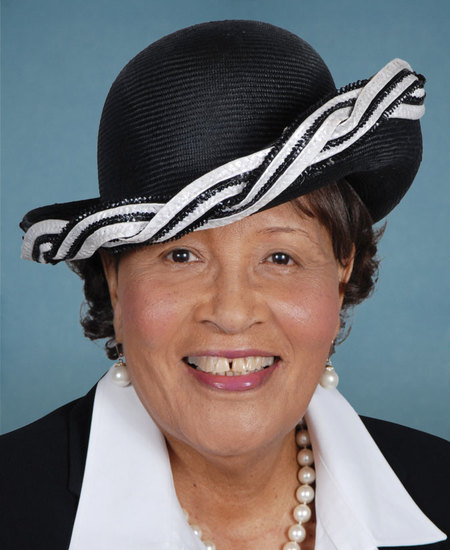
119th Congress Introduced by Alma Adams and 7 co-sponsors

The bill would require payroll tax withholding on payments to independent contractors at certain large businesses, broadening payroll tax collection.

Introduced in House
0
WeVote Research Nonpartisan
Bill Summary · HR 9114

Overview

HR 9114 seeks to amend the Internal Revenue Code of 1986 to require payroll tax withholding on independent contractors employed by certain large businesses. The bill, introduced in the House and referred to the Ways and Means Committee, is sponsored by a group of Democratic lawmakers (with several co-sponsors listed). The exact text of the bill is not provided here, but the stated purpose centers on modifying payroll tax withholding rules for independent contractors at large firms.

Purpose and intent

  • Align payroll tax collection with employees’ treatment by requiring withholding on payments to independent contractors at certain large businesses.
  • Aim to broaden the tax base for payroll taxes (e.g., Social Security and Medicare) by extending withholding obligations to a subset of workers currently treated as independent contractors.
  • Potentially address perceived gaps in tax withholding and enforcement related to large employers’ use of independent contractor labor.

Key provisions (as implied by title)

  • Modify the Internal Revenue Code to mandate payroll tax withholding for independent contractors of “certain large businesses.”
  • The criteria for what constitutes a “large business” and which independent contractors would be subject to withholding are likely defined in the bill’s text (not provided here). Typical elements might include thresholds based on employee count, annual payroll, or specific sectors.
  • Establish mechanisms for withholding, reporting, and remittance of payroll taxes from payments to eligible independent contractors.
  • Possible changes to related reporting requirements (e.g., annual forms or Schedule reporting) to ensure compliance and transparency.

Who would be affected

  • Independent contractors engaged by large businesses that meet the bill’s specified criteria.
  • Employers that fall under the defined “large business” category and currently pay independent contractors without withholding payroll taxes.
  • Tax administrability and compliance personnel within those businesses, who would implement withholding systems and reporting.
  • Potentially, the contractors themselves, who may see changes in how their payments are processed and how payroll taxes are withheld and remitted.

Procedural and timeline aspects

  • Introduced in the House and assigned to the Committee on Ways and Means (June 2, 2026).
  • Referred to the Ways and Means Committee for consideration, potential markup, and recommendation to the full House.
  • The bill’s progression would depend on committee action, floor consideration, and potential amendments.

Sponsors

  • Co-sponsors listed:
    • LaMonica McIver
    • Jahana Hayes
    • Delia Ramirez
    • Alma Adams
    • Ilhan Omar
    • Summer Lee
    • Rashida Tlaib
    • Bonnie Watson Coleman

Potential implications and considerations

  • Revenue impact: If withholding is expanded to independent contractors at large businesses, federal payroll tax collections could increase.
  • Compliance burden: Large employers may face higher administrative costs to implement withholding systems for contractors and to align with new reporting requirements.
  • Economic effects: Could influence contracting practices, worker classification decisions, and the affordability of engaging independent labor.
  • Legal and design questions: The bill would need precise definitions of “large business,” “independent contractor,” and the mechanics of withholding to ensure enforceability and avoid unintended consequences (e.g., misclassification or disruption to contractor ecosystems).

Note: The summary reflects the bill’s stated objective and typical design elements inferred from the title. For exact provisions, definitions, thresholds, and effective dates, the bill text and committee analyses would need to be consulted.

Compiled from official sources — confirm details with the bill’s official record.

Sign in to ask a question.