

WeVote

Bill

Bill

HR 9289

Keep Public Funds in Public Schools Act of 2026

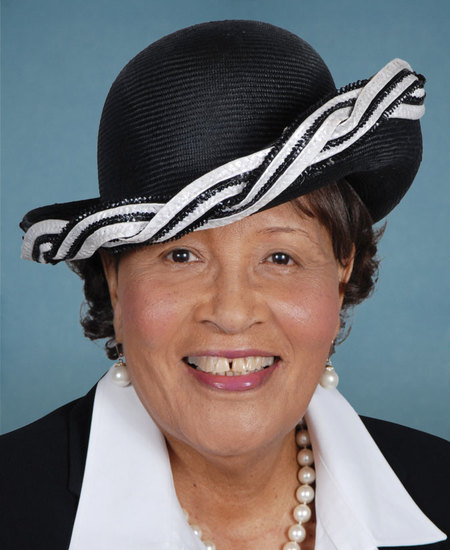
119th Congress Introduced by Alma Adams and 88 co-sponsors

HR 9289 would repeal the individual tax credit for donations to scholarship granting organizations.

Introduced in House
0
WeVote Research Nonpartisan
Bill Summary · HR 9289

Summary of HR 9289 (Session 119)

Purpose and intent

  • HR 9289 seeks to amend the Internal Revenue Code of 1986 to repeal the tax credit for contributions of individuals to scholarship granting organizations (SGOs). In other words, it would eliminate the individual tax credit currently available for donations to SGOs.
  • The bill is focused on eliminating a specific tax incentive related to private funding of scholarship programs, with potential broader implications for charitable giving and private school scholarships.

Key provisions and changes

  • Repeal of the individual income tax credit for contributions to SGOs:
    • The bill would remove the statutory credit that individuals could claim when donating to scholarship granting organizations.
    • No replacement credit or alternate funding mechanism is specified in the summary provided; the change is a straight elimination of the credit.
  • Administrative and tax code alignment:
    • The repeal would require adjustments across the Internal Revenue Code to ensure the credit is no longer allowed and to prevent any duplicative or conflicting provisions.
  • Effective date:
    • The summary does not specify an exact effective date; typical enactments of tax credits include a potential immediate effect or a defined future effective date. The bill text would clarify timing for when the repeal takes effect (e.g., for contributions made in a tax year after enactment or for tax years beginning after a specified date).

Who would be affected

  • Individual taxpayers who would have claimed the SGO contribution tax credit on their federal income tax return.
  • SGOs and private scholarship programs that currently rely on contributions from individuals benefiting from the credit could experience changes in donor behavior and fundraising dynamics.
  • Tax planning and compliance for households that previously leveraged the credit to optimize after-tax cost of giving.

Procedural and timeline aspects

  • Introduction and sponsor information:
    • Introduced in the House and referred to the House Committee on Ways and Means on June 11, 2026.
    • A long list of co-sponsors is attached, indicating broad Democratic support.
  • Next steps in the legislative process:
    • As a Ways and Means referral, the bill would undergo committee review, possible amendments, and voting in the House. If passed, it would move to the Senate for consideration.
  • Interaction with existing tax policy:
    • The bill would alter the federal tax landscape by removing an existing incentive, potentially affecting related tax planning, charitable giving patterns, and SGOs’ fundraising activities.

Additional context and considerations

  • Policy implications:
    • Eliminating the credit could affect private funding for scholarships, particularly for families relying on SGOs for financial aid.
    • There could be feedback effects on charitable giving priorities and the availability of scholarships for students, depending on donor sensitivity to after-tax costs.
  • Financial impact:
    • The precise revenue impact would depend on current utilization of the credit and donor responses. The reform would likely increase federal revenue by the amount previously foregone through the credit, while potentially reducing private charitable receipts to SGOs.

If you’d like, I can pull the bill’s full text to extract the exact language, effective dates, and any fiscal notes or estimated revenue effects to provide a more granular analysis.

Compiled from official sources — confirm details with the bill’s official record.

Sign in to ask a question.