

Bipartisan Tax Fairness Act of 2025
The Bipartisan Tax Fairness Act of 2025 aims to ensure equitable tax contributions from individuals and businesses, impacting low- and middle-income taxpayers and corporate obligations.
The Bipartisan Tax Fairness Act of 2025 aims to reform the current tax system to promote fairness and equity among taxpayers. The bill seeks to address disparities in tax burdens and ensure that all individuals and businesses contribute their fair share to federal revenue.
While the specific details of the provisions are not provided in the initial information, typical elements of tax fairness legislation may include:
The Bipartisan Tax Fairness Act of 2025 is expected to impact a wide range of stakeholders, including:
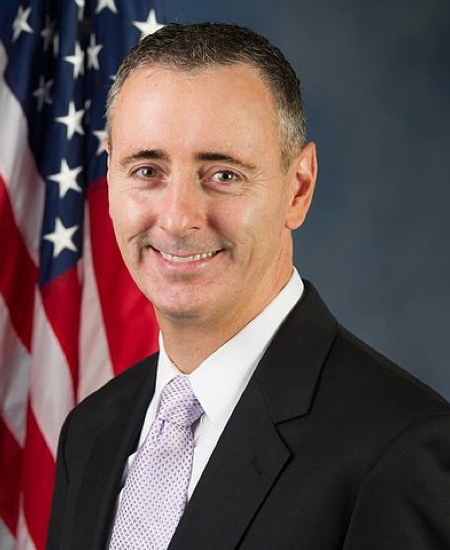
The bill is sponsored by Brian K. Fitzpatrick and has the support of Jared F. Golden as a cosponsor, indicating bipartisan support for the proposed reforms.
The Bipartisan Tax Fairness Act of 2025 represents an effort to create a more equitable tax system in the United States. As it progresses through the legislative process, further details on specific provisions and their implications for taxpayers and businesses will be critical to understanding the full impact of the bill.
Compiled from official sources — confirm details with the bill’s official record.
Sign in to ask a question.