
Bill
HR 8632
PFAS Cleanup Act
119th Congress
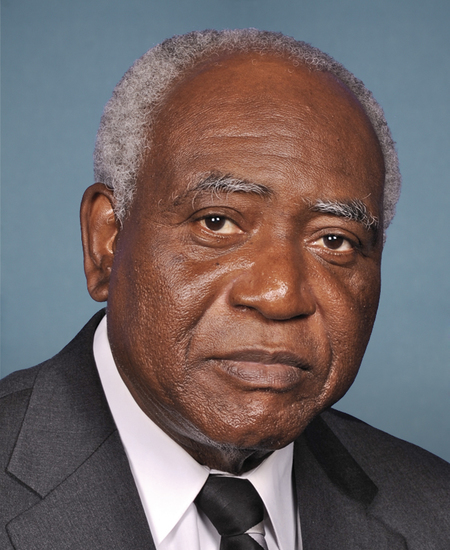
Introduced by Danny Davis and 4 co-sponsors
Imposes a PFAS sales tax and offers a credit to offset PFAS removal costs for public water systems.
Introduced in House


Bill
HR 8632
Imposes a PFAS sales tax and offers a credit to offset PFAS removal costs for public water systems.
HR 8632 (119th Congress) — Summary
Purpose
- The bill intends to impose an excise tax on the sale of perfluoroalkyl and polyfluoroalkyl substances (PFAS) and to establish a tax credit to encourage and offset the cost of removing PFAS from public water systems. The overarching goal is to address environmental and public health concerns associated with PFAS contamination by creating financial incentives and funding mechanisms for PFAS removal.
Key Provisions
- Excise Tax on PFAS Sales:
- Imposes a new federal excise tax on the sale of PFAS chemicals.
- The bill defines the scope of PFAS subject to taxation and sets rates (details such as tax rate, taxable base, and administration would be specified in the text; these are typically a per-unit or percent of sale price structure in similar measures).
- Provisions likely cover who collects the tax, reporting requirements, and enforcement mechanisms.
Credit for PFAS Removal from Public Water Systems:
Administration and Compliance:
Effective Dates and Sunset Provisions:
Additional Provisions:
Affected Parties
- PFAS manufacturers, distributors, and sellers: subject to the new excise tax on PFAS sales.
- Public water systems and their financing entities: eligible for the PFAS removal credit; may benefit from reduced net costs to treat water.
- State and local governments: potential impact as they operate water systems and may participate in funding and compliance.
- Taxpayers and businesses involved in PFAS supply chains: indirect impact through tax collection and potential price changes.
Procedural and Timeline Aspects
- Lead Action: Referred to the House Committee on Ways and Means (April 30, 2026).
- Introduction: Introduced in the House (April 30, 2026).
- Sponsorship: Co-sponsored by Rep. Linda Sánchez.
- Next steps (if advanced): Committee hearings, potential markup, and then floor consideration in the House; if enacted, the President’s signature would be required to become law.
Notes
- This summary reflects the bill’s stated aims and structure as described in the action history and title. Specific numerical details (tax rate, credit amount, eligibility criteria, carryover provisions, and administrative rules) would be found in the full bill text.
Compiled from official sources — confirm details with the bill’s official record.
Sign in to ask a question.