

WeVote

Bill

Bill

HR 10039

To amend the Internal Revenue Code of 1986 to exempt individual account plans from certain prohibited transaction rules.

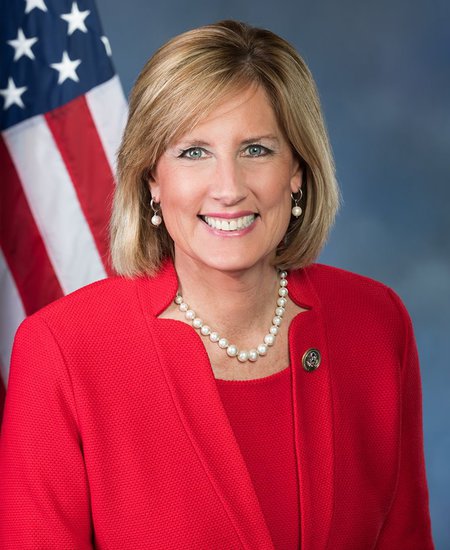
119th Congress Introduced by Claudia Tenney

The bill would exempt individual account plans from certain prohibited transactions rules, broadening permissible transactions and operations for these plans.

Introduced in House
0
WeVote Research Nonpartisan
Bill Summary · HR 10039

Summary of HR 10039 (119th Congress)

Purpose and intent

HR 10039 proposes to amend the Internal Revenue Code of 1986 to exempt individual account plans from certain prohibited transaction rules. The bill aims to reduce or remove restrictions that currently apply to individual account plans (a category typically including defined contribution plans such as 401(k)s and related IRA-style structures) by altering how prohibited transactions are treated under the tax code. The stated goal is to provide greater flexibility in the management and operation of individual account plans by relaxing specific prohibitions on certain transactions and activities.

Key provisions and changes (as described by the bill)

  • Exemption from certain prohibited transaction rules: The core change would grant exemption to individual account plans from select prohibited transaction rules under the Internal Revenue Code. This could affect transactions and relationships that are ordinarily restricted to protect plan participants and beneficiaries.
  • Scope of exemption: The bill would specify which prohibited transactions are exempted and under what conditions the exemptions apply. Details on the exact categories of prohibited transactions and any caveats or safe harbors would be defined within the bill text.
  • Administrative or compliance implications: By altering prohibited transaction restrictions, the bill could modify reporting, fiduciary, or operational duties for plan sponsors, fiduciaries, and service providers. The text would outline any required notices, disclosures, or documentation to ensure compliance with the exemption.

Who would be affected

  • Plan sponsors and fiduciaries administering individual account plans would experience changes in permissible transactions, potentially expanding investment or related activities that were previously restricted.
  • Plan participants and beneficiaries could be impacted indirectly through changes in plan investment options, fees, or performance depending on how the exemption influences plan operations.
  • Service providers (e.g., investment managers, recordkeepers, financial advisers) who interact with individual account plans may see changes in permissible practices and oversight requirements.
  • The Internal Revenue Service would have to enforce, interpret, and oversee the exemptions as part of plan qualification and compliance processes.

Procedural and timeline aspects

  • Introduction: HR 10039 was introduced in the House and assigned to the Committee on Ways and Means on August 3, 2026.
  • Referral: The bill has been referred to the Ways and Means Committee for consideration, potential markup, and reporting.
  • Legislative path: If advanced, the bill would need to pass the Ways and Means Committee, move to the House floor for debate and vote, potentially pass the Senate (with or without amendments), and receive presidential enactment or veto to become law. Details on sequencing (timing of hearings, markups, and floor votes) would depend on committee and chamber scheduling.

Additional notes

  • Sponsor information: The bill lists Claudia Tenney as a co-sponsor.
  • As of the action history, the bill has not yet been enacted and remains in early procedural stages, with the specific statutory language outlining the exemptions and conditions yet to be analyzed in committee.

This summary focuses on the substantive intent and potential impact based on the bill’s stated objective to exempt individual account plans from certain prohibited transaction rules. Readers seeking precise legal effects should consult the bill’s text and any committee reports or fiscal notes once available.

Compiled from official sources — confirm details with the bill’s official record.

Sign in to ask a question.