

WeVote

Bill

Bill

HR 9206

DHS CANDOR Act

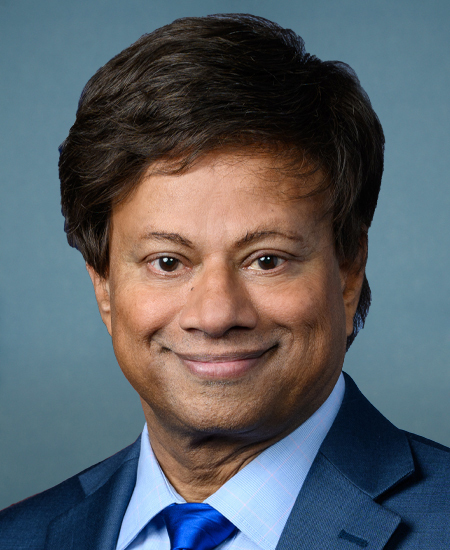
119th Congress Introduced by Shri Thanedar and 1 co-sponsor

DHS-wide public communications policy would standardize and coordinate all DHS messaging to ensure accurate, timely, and consistent information across components.

Introduced in House
0
WeVote Research Nonpartisan
Bill Summary · HR 9206

Summary of HR 9206 (119th Congress)

Purpose and intent

HR 9206 aims to amend the Homeland Security Act of 2002 to establish a DHS-wide policy governing public communications. The bill seeks to create standardized requirements for how the Department of Homeland Security (DHS) and its components communicate with the public, with the goal of ensuring consistent, accurate, timely, and responsible information dissemination across all DHS offices and programs.

Key provisions and changes

  • DHS-wide public communications policy: The bill requires DHS to develop, implement, and maintain a comprehensive policy directing how DHS agencies communicate with the public. This policy would presumably cover lines of communication, approved messaging, coordination among components, and mechanisms for rapid public advisories or situational updates.
  • Consistency and coordination: The policy would mandate interoperability and consistency across DHS components (e.g., DHS headquarters, components like FEMA, CBP, ICE, TSA, Coast Guard, etc.) to avoid conflicting messages and to streamline public-facing communications.
  • Standards for accuracy and timeliness: The policy would likely establish standards requiring verification of information before release, procedures for rapid updates during emergencies, and coordination with other federal, state, and local authorities as appropriate.
  • Oversight and accountability: The bill would potentially outline oversight mechanisms to ensure compliance with the policy, including reporting requirements, audits, or reviews of DHS public communications practices.
  • Implementation timeline: The act would set expectations for the development and deployment of the policy, including milestones for internal approvals and public release of policy documentation.

Who/what would be affected

  • DHS components and leadership: All DHS offices and agencies would be required to adhere to the new public communications policy.
  • Public communications teams: Personnel responsible for DHS messaging, press releases, social media, public advisories, and emergency communications would operate under standardized guidelines.
  • ** partners and stakeholders**: Federal, state, local, tribal, and territorial partners, as well as the general public, would experience more uniform DHS messaging during routine operations and emergencies.

Procedural and timeline aspects

  • Introduction and referral: The bill was introduced in the House and referred to the House Committee on Homeland Security (as of 2026-06-08).
  • Sponsor information: Primary sponsors include Rep. Bennie Thompson (co-sponsor) and Rep. Shri Thanedar (co-sponsor), indicating bipartisan and bicameral interest at the committee level (note: this summary reflects sponsor context in the House).
  • Next steps: Upon committee consideration, the bill could proceed to markup, potential amendments, and then floor consideration. If enacted, DHS would need to develop the mandated policy and implement it across components according to any specified timelines.

Potential impacts and considerations

  • Pros: Improved consistency and clarity in DHS public messaging; faster dissemination of critical information during emergencies; enhanced public trust through standardized communication practices.
  • Challenges: Balancing rapid, accurate communication with operational security; ensuring flexibility for diverse DHS components with unique missions; monitoring compliance across a large and multi-agency department.

If you’d like, I can tailor this summary to include hypothetical timelines or compare it to similar prior DHS communications policies to provide additional context.

Compiled from official sources — confirm details with the bill’s official record.

Sign in to ask a question.