

WeVote

Bill

Bill

HR 927

To amend the Higher Education Act of 1965 to prohibit institutions of higher education from requiring ideological oaths or similar statements, and for other purposes.

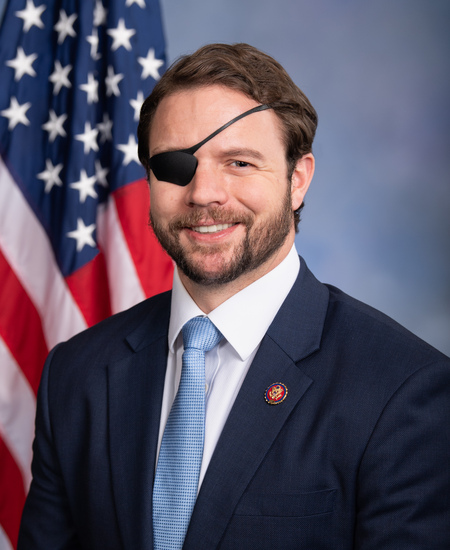
119th Congress Introduced by Dan Crenshaw

HR 927 prohibits colleges from requiring students and staff to endorse specific ideologies or disclose personal beliefs, promoting academic freedom and non-discrimination.

Introduced in House
0
WeVote Research Nonpartisan
Bill Summary · HR 927

Summary of HR 927: Prohibition of Ideological Oaths in Higher Education

Bill Number: HR 927
Title: To amend the Higher Education Act of 1965 to prohibit institutions of higher education from requiring ideological oaths or similar statements, and for other purposes.
Status: Introduced in House
Introduced Date: February 04, 2025
Classification: Bill

Purpose and Intent

The primary aim of HR 927 is to amend the Higher Education Act of 1965 by prohibiting institutions of higher education from compelling students, employees, or applicants to endorse specific ideologies or provide statements related to their race, ethnicity, or views on social issues. This legislation seeks to ensure that higher education institutions maintain a neutral stance regarding ideological beliefs and do not impose requirements that could lead to discrimination based on race, color, or ethnicity.

Key Provisions

The bill introduces specific amendments to Section 487(a) of the Higher Education Act of 1965, which include:

  1. Prohibition on Compulsion:

    • Institutions cannot compel, require, induce, or solicit individuals to:
      • Endorse ideologies that promote differential treatment based on race, color, or ethnicity.
      • Provide statements regarding their race, color, ethnicity, or national origin, except for minimal demographic data.
      • Share views or experiences related to diversity, equity, inclusion, social justice, or other related concepts.
  2. No Preferential Treatment:

    • Institutions are prohibited from giving preferential consideration to individuals based on unsolicited statements supporting the aforementioned ideologies.
  3. Clarifications:

    • The bill clarifies that:
      • Academic research and coursework are not restricted by this prohibition.
      • Individuals can voluntarily provide information without institutional solicitation.
      • Institutions may still require applicants to disclose research content, certify compliance with antidiscrimination laws, or discuss pedagogical approaches related to learning disabilities.

Affected Parties

This legislation would impact:
- Students: Current and prospective students at institutions of higher education who may be required to provide ideological statements.
- Employees and Contractors: Faculty and staff who may face similar requirements in their roles.
- Higher Education Institutions: Colleges and universities that would need to revise their admissions and employment practices to comply with the new regulations.

Procedural Aspects

  • Introduced and Referred: The bill was introduced in the House and referred to the House Committee on Education and Workforce on February 4, 2025.
  • Next Steps: The bill will undergo review and potential amendments by the committee before it can be brought to the floor for a vote.

Conclusion

HR 927 aims to protect individuals in higher education from being compelled to express ideological beliefs or provide personal information related to race or ethnicity. By establishing clear prohibitions against such practices, the bill seeks to foster an environment of academic freedom and non-discrimination within educational institutions.

Compiled from official sources — confirm details with the bill’s official record.

Sign in to ask a question.