

WeVote

Bill

Bill

HR 9628

TEACH Improvement Act of 2026

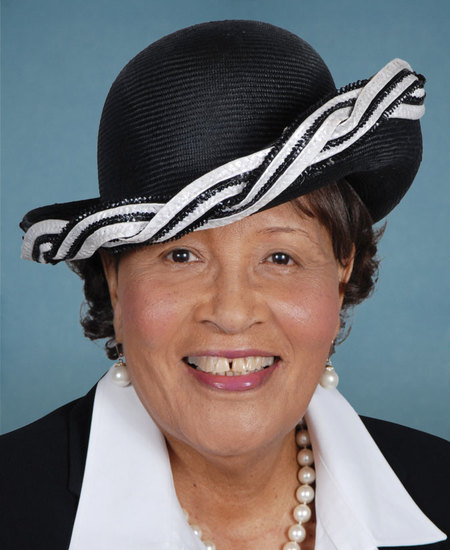
119th Congress Introduced by Alma Adams and 1 co-sponsor

HR 9628 would clarify TEACH Grant eligibility and obligations, potentially changing service requirements, counseling, and the grant-to-loan conversion rules.

Introduced in House
0
WeVote Research Nonpartisan
Bill Summary · HR 9628

Summary of HR 9628 (119th Congress)

Purpose and intent

HR 9628 seeks to amend the Higher Education Act of 1965 specifically regarding the use and administration of TEACH Grants. TEACH Grants are federal grants intended to encourage students to pursue and teach in high-need fields and underserved areas. The bill aims to modify how these grants are used, awarded, and/or repaid, with the overall goal of clarifying program requirements and potentially altering the conditions under which grants must be fulfilled or converted to loans.

Key provisions and changes (as proposed)

  • Clarification of TEACH Grant eligibility and obligations: The bill would specify underlying requirements for students to receive TEACH Grants and to maintain eligibility, including any changes to service commitments, academic performance standards, or field-of-study criteria.
  • Service obligation and counseling: Provisions may address the duration and nature of the service obligation (i.e., teaching in high-need fields/locations) and may adjust counseling or guidance requirements for recipients.
  • Reauthorization or adjustment of grant-to-loan conversion rules: The bill could alter the circumstances under which a TEACH Grant converts to a Direct Unsubsidized Loan (typically if service requirements are not fulfilled), including timelines, penalties, or forgiveness mechanisms.
  • Oversight, accountability, and compliance: Possible enhancements to program reporting, accountability measures, and enforcement related to TEACH Grant recipients and participating institutions.
  • Funding and administration: Any changes to funding authorization, annual appropriations, or administrative responsibilities resting with the Department of Education or related federal offices.

Note: The bill text as currently summarized focuses on the TEACH Grant component and Higher Education Act amendments. Specific subsections, definitions, and numerical thresholds would be detailed in the enacted language.

Who would be affected

  • Prospective and current TEACH Grant recipients: Changes to eligibility, counseling, service obligations, and conversion rules directly impact students considering or currently receiving TEACH Grants.
  • Teachers in high-need fields or locations: Those who would be subject to service commitments may see changes in requirements or enforcement.
  • Postsecondary institutions participating in the TEACH Grant program: Institutions that administer TEACH Grants would be affected by any altered standards, reporting, or compliance requirements.
  • U.S. Department of Education: Responsible for implementing, monitoring, and enforcing TEACH Grant provisions; any new oversight or administrative changes would affect agency operations.

Procedural and timeline aspects

  • Introduction and referral: Introduced in the House and referred to the House Committee on Education and Workforce (as of 2026-07-09).
  • Sponsorship: Co-sponsors include Alma Adams and Ashley Hinson, indicating bipartisan interest.
  • Next steps: The committee could hold hearings, mark up the bill, and send it to the full House for a vote. If passed, it would move to the Senate or undergo conference as part of broader higher education reconciliation, depending on Senate action and legislative strategy.

Potential impacts and considerations

  • Student debt and repayment: Changes to grant-to-loan conversion rules could affect the future debt burden of TEACH Grant recipients who do not complete service requirements.
  • Program accessibility: Changes to eligibility criteria or counseling requirements may influence how easily students can access TEACH Grants.
  • Education workforce incentives: By altering obligations or enforcement, the bill could affect incentives for entering and remaining in high-need teaching roles.

If you’d like, I can provide a side-by-side comparison with current TEACH Grant rules or monitor for updates on the bill’s progress and any revised text.

Compiled from official sources — confirm details with the bill’s official record.

Sign in to ask a question.