

WeVote

Bill

Bill

HR 9958

To amend the Head Start Act to expand and improve participation in Head Start programs, and for other purposes.

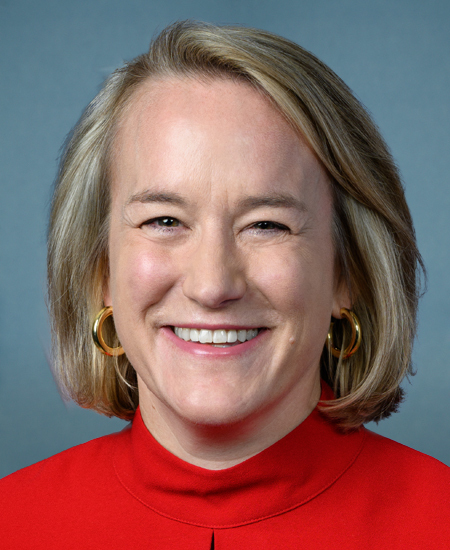
119th Congress Introduced by Nikki Budzinski and 17 co-sponsors

The bill aims to expand Head Start access and improve participation by boosting eligibility, quality, family engagement, and coordination with services.

Introduced in House
0
WeVote Research Nonpartisan
Bill Summary · HR 9958

Summary of HR 9958 (119th Congress) — To amend the Head Start Act to expand and improve participation in Head Start programs, and for other purposes

Purpose and intent

  • The bill proposes amendments to the Head Start Act with the overarching goal of expanding access to Head Start programs and improving participation among eligible children and families.
  • It aims to strengthen program reach, effectiveness, and coordination with families and community partners, ensuring more low-income children and children with developmental needs can access early childhood education and supportive services.

Key provisions and changes (highlights)

  • Expansion of eligibility and participation: The measure seeks to broaden enrollment capacity or streamline processes to reach more eligible children, potentially reducing barriers to enrollment for families.
  • Program quality and outcomes: Provisions are expected to focus on improving program quality, including alignment with evidence-based practices, better screening and referral pathways, and enhanced support services for children and families.
  • Family engagement: Likely emphasis on increasing active family involvement in Head Start planning, decision-making, and ongoing communication to tailor services to family needs.
  • Coordination with other services: Strengthening linkages with health, nutrition, early intervention, mental health, and community resources to create a more integrated support system for participating families.
  • Data, accountability, and reporting: Introduction or enhancement of performance measurement, data collection, and reporting requirements to monitor participation levels, outcomes for children, and program effectiveness.
  • Funding and fiscal mechanisms: Possible updates to funding structures, incentives, or grant administration to support expanded participation and improvements in program quality. This may include new or adjusted appropriations, eligibility criteria for grants, or reporting obligations tied to funding.

Who would be affected

  • Children: U.S. children eligible for Head Start, particularly those currently underserved or facing access barriers.
  • Families: Parents and guardians who participate in or hope to enroll their children in Head Start programs; enhanced family engagement provisions directly affect how families interact with program staff.
  • Head Start programs and centers: Local programs, including grantees and center directors, would implement new eligibility processes, reporting requirements, and quality improvements.
  • State and local partners: Agencies and organizations collaborating with Head Start (health, education, child welfare, nutrition, early intervention) may experience expanded coordination efforts.

Procedural and timeline aspects

  • Status: Introduced in the House and referred to the House Committee on Education and Workforce (as of the 2026-07-27 action history).
  • Next steps: The committee would review, amend, and potentially report the bill back to the full House. If advanced, floor consideration or further legislative actions would follow per House rules.
  • Implementation timeline: Any enacted version would specify effective dates for new eligibility criteria, funding changes, and programmatic requirements, including transitional provisions for current grantees and participants.

Potential impacts and considerations

  • Access and equity: If enacted, the bill could increase Head Start participation among low-income families, rural or underserved communities, and children with special needs through targeted improvements.
  • Quality and outcomes: By emphasizing quality improvements and better coordination, the bill could enhance early learning outcomes and long-term benefits for participants.
  • Administrative burden: New reporting and compliance requirements may affect program administrators; the bill would ideally balance accountability with feasibility for grantees.
  • Funding implications: Any changes to funding or grant administration will influence how programs plan capacity, staffing, and services.

Note: This summary is based on the bill title and available action history. For precise language, specific provisions, dollar figures, and effective dates, the full text of HR 9958 and any committee reports should be consulted.

Compiled from official sources — confirm details with the bill’s official record.

Sign in to ask a question.