

WeVote

Bill

Bill

HR 8625

To amend the Foreign Assistance Act of 1961 to authorize assistance for certain development activities in high-income countries, and for other purposes.

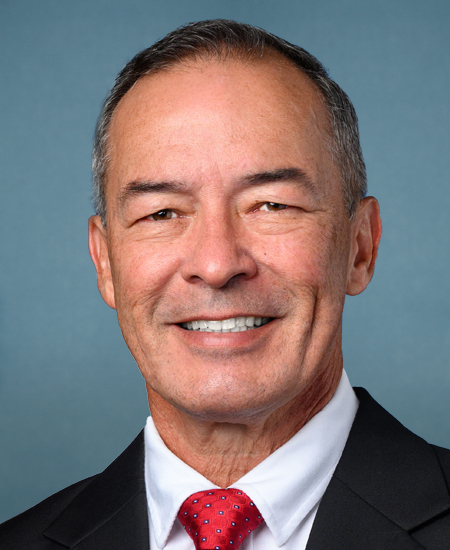
119th Congress Introduced by Jim Moylan and 1 co-sponsor

The bill would authorize U.S. development assistance in high-income countries, expanding foreign aid tools beyond traditionally lower-income targets.

Introduced in House
0
WeVote Research Nonpartisan
Bill Summary · HR 8625

Summary of HR 8625 (119th Congress)

Overview

  • Official title: To amend the Foreign Assistance Act of 1961 to authorize assistance for certain development activities in high-income countries, and for other purposes.
  • Session: 119
  • Jurisdiction: United States
  • Introduced / Referral: Introduced in the House and referred to the House Committee on Foreign Affairs on April 30, 2026.
  • Sponsors:
    • Co-sponsors: Jim Moylan, Jill Tokuda

Purpose and Intent

The bill proposes amendments to the Foreign Assistance Act of 1961 to authorize U.S. development assistance activities in high-income countries. Traditionally, U.S. foreign assistance and development programs target lower- and middle-income countries with explicit development needs. This bill seeks to expand the scope of development assistance programs to include certain high-income countries, enabling targeted development-related support, partnerships, or assistance activities in those nations.

Key Provisions (as indicated by the bill’s title and purpose)

Note: The full text of the bill would provide precise sections and mechanisms. Based on the title and sponsor description, anticipated core features include:

  • Authorization of development assistance in high-income countries: The bill would authorize dedicated development activities and related assistance in high-income countries, which may cover areas such as governance reform, anti-corruption efforts, infrastructure development, human capacity building, health and education system improvements, or disaster preparedness and resilience.
  • Amendments to the Foreign Assistance Act of 1961: Modifications to statutory authorities, programs, or reporting requirements to accommodate assistance activities in higher-income states.
  • Implementation authorities: Potential outlines for execution through U.S. agencies (e.g., U.S. Agency for International Development or related partners) or through multilateral or non-governmental channels.
  • Coordination and oversight: Provisions to ensure proper evaluation, accountability, and alignment with U.S. foreign policy objectives; reporting to Congress on activities, outcomes, and funding utilization.

Note: The bill’s exact sections, funding levels, eligible activities, and safeguards would be specified in the amended text. The summary reflects the stated purpose and typical framework of authorization bills.

Potential Impact

Who Would Be Affected

  • U.S. foreign assistance agencies: May gain new authorities to design and implement development programs in high-income countries.
  • High-income partner countries: Could receive targeted development assistance or capacity-building support under U.S. programs.
  • Other stakeholders: Implementing partners (nonprofits, international organizations, contractors) and recipient communities where programs operate.

Policy and Program Implications

  • Strategic Alignment: Signals a broader use of development tools to promote stability, governance, and resilience in high-income settings, potentially addressing issues such as corruption, weak institutions, or crisis-response gaps within affluent nations.
  • Budget and Resources: Any new authority would be paired with funding decisions in appropriations acts; the bill may authorize specific funding or set framework for future allocations.
  • Evaluation and Accountability: Likely requires reporting and performance metrics to assess effectiveness and justify ongoing or future use of development funds in high-income contexts.

Procedural and Timeline Considerations

  • Current Stage: Referred to the House Committee on Foreign Affairs (as of April 30, 2026). No floor action or passage status provided.
  • Next Steps: Committee consideration, potential markup, and subsequent votes in the House. If advanced, may move to the Senate for consideration, or be incorporated into larger foreign affairs or authorization packages.

Additional Considerations

  • The bill’s introduction with co-sponsors suggests bipartisan interest in expanding the scope of development diplomacy. Stakeholders may scrutinize the definitions of “high-income countries,” the specific activities authorized, safeguards against misallocation, and the fiscal implications.

If you’d like, I can tailor this summary to include hypothetical funding levels, potential programmatic areas (e.g., health systems, governance reform, disaster risk reduction), or compare it to existing authorities in the Foreign Assistance Act for a more detailed analysis.

Compiled from official sources — confirm details with the bill’s official record.

Sign in to ask a question.