

WeVote

Bill

Bill

HR 8322

To amend the FISA Amendments Act of 2008 to extend the authorities of title VII of the Foreign Intelligence Surveillance Act of 1978 through April 30, 2026, and for other purposes.

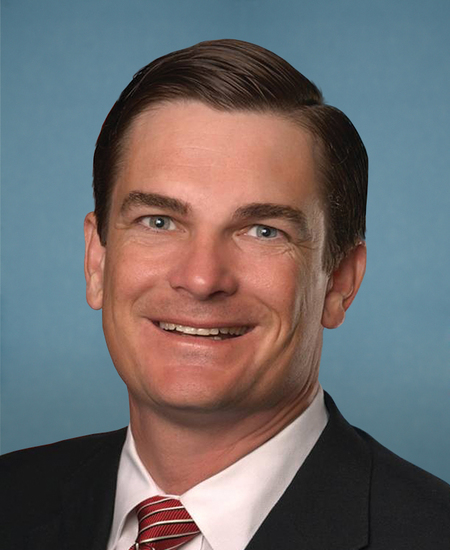
119th Congress Introduced by Austin Scott

Extends FISA Title VII surveillance authorities through April 30, 2026, maintaining current framework for foreign intelligence collection.

Signed by President.
0
WeVote Research Nonpartisan
Bill Summary · HR 8322

Summary of HR 8322 (119th Congress)

Purpose and Intent

  • HR 8322 aims to amend the FISA Amendments Act of 2008 to extend the authorities granted under Title VII of the Foreign Intelligence Surveillance Act (FISA) through April 30, 2026.
  • The bill appears to focus on preserving and extending surveillance authorities related to foreign intelligence gathering as authorized under FISA Title VII, which governs the acquisition of certain foreign intelligence information from non-U.S. persons outside the United States.

Key Provisions and Changes

  • Extension of Authorities: Extends the duration of Title VII authorities of FISA Amendments Act of 2008 to April 30, 2026.
  • Scope of Title VII: Reinforces and maintains the framework for targeted or bulk collection activities as authorized under FISA Title VII, including procedures for minimization, dissemination, and oversight (as governed by current law and any amendments introduced by the bill or related statute).
  • Oversight and Compliance (implied): Given standard practice for extending FISA authorities, the bill would typically maintain existing oversight measures such as reporting to Congress, court review (FISA Court), and annual or periodic reviews, though specific new reporting or oversight changes are not detailed in the provided summary.

Note: The summary provided reflects the bill’s stated purpose to extend Title VII authorities through a fixed date. The exact text could include additional technical amendments, clarifications, or conforming changes; those would be found in the bill’s full language.

Who or What Would Be Affected

  • U.S. Intelligence Community and Federal Agencies: Retains and continues to operate under Title VII authorities for collecting foreign intelligence information.
  • Non-U.S. Persons and Foreign Targets: Potential collection activities involving non-U.S. persons outside the U.S. would remain governed by Title VII authorities, subject to minimization and legal safeguards.
  • Congress and Oversight Bodies: Requires ongoing legislative oversight and reporting consistent with FISA-related activities.

Procedural and Timeline Aspects

  • Introduction and Referral: Introduced in the House on April 16, 2026; referred to the Committee on the Judiciary and, in addition, to the Committee on Intelligence (Permanent Select) for consideration of provisions within their jurisdictions.
  • Committee Action and Discharge: The House committees (Judiciary and Permanent Select Intelligence) were discharged on April 17, 2026.
  • Unanimous Consent and Floor Action: The bill progressed by unanimous consent in the House to consideration and passage.
  • ** passage:** On April 17, 2026, the House passed the bill “on passage” without objection, indicating broad support or routine procedural action for an extensions bill.
  • Sponsors: Primary sponsor (and co-sponsor) information indicates Austin Scott is a sponsor/co-sponsor.

Practical Implications

  • The extension provides continuity of the current surveillance authorities under FISA Title VII for a defined period, mitigating gaps in legal authority until April 30, 2026.
  • Stakeholders (civil liberties advocates, privacy groups, tech and communications sectors, and national security stakeholders) may seek further details on:
    • Any changes to minimization procedures and data handling.
    • Enhanced reporting, transparency, or judicial oversight provisions.
    • Specific definitions of surveillance scope and permissible targets.

If you’d like, I can pull the exact text of HR 8322 and provide a line-by-line annotation of changes, or compare it to the prior FISA Amendments Act provisions to highlight differences.

Compiled from official sources — confirm details with the bill’s official record.

Sign in to ask a question.