

WeVote

Bill

Bill

HR 8423

Energy Consumer Protection Act of 2026

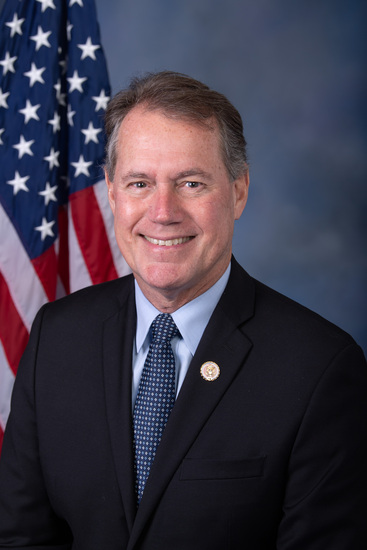
119th Congress Introduced by Ed Case and 11 co-sponsors

The bill aims to tighten and clarify enforcement of the Federal Power Act and Natural Gas Act provisions, potentially changing penalties and administrative processes for violations

Introduced in House
0
WeVote Research Nonpartisan
Bill Summary · HR 8423

Summary of HR 8423 (119th Congress)

Overview

  • Title: To amend the Federal Power Act and the Natural Gas Act with respect to the enforcement of certain provisions, and for other purposes.
  • Purpose: The bill seeks to modify how certain provisions under the Federal Power Act (FPA) and the Natural Gas Act (NGA) are enforced, with additional related measures (the exact enforcement changes are not detailed in the provided information).
  • Introduced / Action: Introduced in the House and referred to the House Committee on Energy and Commerce on April 21, 2026.
  • Sponsors: A bipartisan/segmented group of House sponsors, including a number of notable members such as Ed Case (lead sponsor in some descriptions) and co-sponsors: Dan Goldman, Kathy Castor, Eleanor Holmes Norton, Pramila Jayapal, Seth Moulton, Zoe Lofgren, Sean Casten, Mike Quigley, Jared Huffman, Jan Schakowsky, and Robin Kelly.

Key Provisions (As Described)

The exact legislative text is not provided in your brief, but the bill is described as amending two major federal energy statutes:

  1. Federal Power Act (FPA)

    • Likely focuses on enforcement provisions related to federal regulation of interstate electric transmission and wholesale electricity markets.
    • Possible changes could address how violations are investigated, prosecuted, or penalties enforced, and/or clarify jurisdictional or administrative processes for enforcement actions.
  2. Natural Gas Act (NGA)

    • Typically governs interstate natural gas pipelines and regulation of rates, terms, and practices.
    • The bill would amend enforcement mechanisms under the NGA, potentially affecting how violations are identified, charged, and prosecuted, or how administrative penalties are applied and collected.

Note: The exact substantive changes (dollar penalties, response timelines, due-process protections, or new enforcement authorities) are not included in the provided summary. The phrasing indicates a focus on enforcement of provisions within these acts, which could involve: enforcement procedures, penalties, compliance standards, or agency authority adjustments.

Who Would Be Affected

  • Regulated Entities: Interstate electric power transmission operators, and natural gas pipelines and related market participants regulated under the FPA and NGA.
  • Federal Agencies: The Federal Energy Regulatory Commission (FERC) and possibly other energy regulatory or enforcement agencies involved in civil or administrative proceedings under the FPA and NGA (e.g., Department of Energy in some enforcement contexts).
  • Consumers & Market Participants: Indirectly affected through changes in enforcement that could influence compliance costs, reliability of power and gas services, and potential penalties for noncompliance.

Procedural and Timeline Aspects

  • Referral and Committee Process: The bill was referred to the House Committee on Energy and Commerce on April 21, 2026. This indicates initial stage scrutiny, potential for hearings, amendments, and eventual markup before a full House vote.
  • Introduced Status: Introduced in the House on April 21, 2026; no Senate action or public-law status provided in the available information.
  • Implementation Timeline: No specific effective dates or phase-in schedules are provided here. Typically, enforcement-related amendments may include grandfathering, regulatory transition periods, or effective dates after enactment, but such details would be in the bill text.

Potential Impacts and Considerations

  • Regulatory Clarity: If the bill clarifies or strengthens enforcement, regulated entities may face clearer expectations and potentially more consistent penalties for violations.
  • Compliance Costs: Enhanced enforcement could increase compliance requirements and potential costs for operators, though details depend on the specific provisions.
  • Reliability and Safety: Stronger enforcement under the FPA and NGA could incentivize greater adherence to reliability, safety, and market rules.
  • Judicial and Administrative Process: Changes could alter how violations are adjudicated, including administrative processes, timelines, and remedies.

Next Steps for Readers

  • Review the full text of HR 8423 to understand:
    • The exact enforcement provisions amended (which sections, subsections, and any new language).
    • Any changes to penalties, due-process protections, or agency authorities.
    • Implementation dates, transition rules, and affected programs.
  • Monitor Committee activity (Energy and Commerce) for hearings, amendments, and reported bill language.
  • Note potential impacts on regulated entities, industry practices, and consumer outcomes as the bill progresses.

Compiled from official sources — confirm details with the bill’s official record.

Sign in to ask a question.