

WeVote

Bill

Bill

HR 9460

Sustainable Homeownership Act

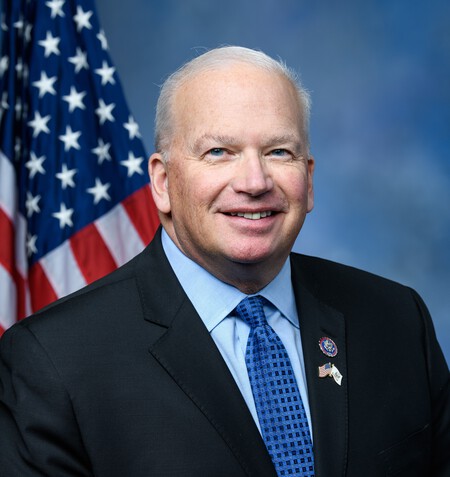
119th Congress Introduced by Scott Fitzgerald

The bill would impose specific ownership rules for mortgage assets held or securitized by Fannie Mae and Freddie Mac, changing their permissible asset mix and governance.

Introduced in House
0
WeVote Research Nonpartisan
Bill Summary · HR 9460

Summary of HR 9460 (Session 119)

Purpose and intent

HR 9460 seeks to amend two cornerstone housing finance statutes—the Federal Home Loan Mortgage Corporation Act (FHLMC Act) and the Federal National Mortgage Association Charter Act (FNMA Act, commonly known as Fannie Mae’s charter)—to specify new requirements regarding ownership of certain mortgage assets by the government-sponsored enterprises (GSEs) Fannie Mae and Freddie Mac (the Federal National Mortgage Association and the Federal Home Loan Mortgage Corporation, respectively). The bill’s stated aim is to impose or clarify ownership-related rules for mortgage assets held or securitized by these entities, with the intent of addressing governance, risk, and policy considerations surrounding asset ownership.

Key provisions and changes (highlights)

  • Ownership requirements for mortgage assets: The bill would set forth criteria or conditions governing which mortgage assets may be owned by Fannie Mae and Freddie Mac. This could involve limitations on types of assets, concentrations, or thresholds that determine permissible ownership or holding of mortgage loans and related securities.
  • Modifications to the charters/authorization framework: The amendments would modify the statutory authorization framework under the FHLMC Act and the FNMA Charter Act, aligning them with the proposed ownership rules and potentially altering the scope of permissible activities or asset holdings.
  • Governance and oversight implications: By defining ownership parameters, the bill could affect governance structures, risk management practices, and oversight requirements for the GSEs. This may influence how these entities manage loan portfolios, securitization activities, and capital adequacy.
  • Interplay with conservatorship or public policy goals: Depending on the exact language, ownership restrictions could reflect ongoing policy objectives regarding systemic risk, taxpayer exposure, or the broader mission of supporting affordable housing and stable housing finance markets.

Who or what would be affected

  • Fannie Mae (FNMA) and Freddie Mac (FHLMC): As the two GSEs, their authority to own and manage mortgage assets would be directly affected, including potential changes to their permissible asset mix, risk profile, and securitization practices.
  • Mortgage market participants: Lenders, servicers, and investors in GSE-backed securities could see changes in the structure and risk characteristics of the mortgage assets held or guaranteed by the GSEs.
  • Regulators and policymakers: Agencies involved in housing finance oversight would gain or clarify responsibilities related to evaluating compliance with ownership requirements and monitoring risk exposure.

Procedural and timeline aspects

  • Introduction and referral: The bill was introduced in the House and referred to the House Committee on Financial Services on June 25, 2026.
  • Sponsor: Co-sponsored by Rep. Scott Fitzgerald.
  • Next steps: If advanced, the bill would proceed through committee consideration, potential amendments, and floor action (likely involving hearings, markups, and votes). Any final passage would lead to consideration in the Senate (and possible reconciliation) before reaching the President for signature.

Potential impacts and considerations

  • The bill could constrain or reorient the asset ownership practices of Fannie Mae and Freddie Mac, with implications for risk management, capital requirements, and the scope of securitization activities.
  • Depending on the final text, there may be transitional provisions, timelines for implementation, or phased changes to existing portfolios.
  • The proposal may interact with broader housing finance reform debates and ongoing discussions about the future role of the GSEs in the U.S. housing finance system.

If you’d like, I can tailor this summary to a specific audience (e.g., policymakers, industry stakeholders, or the general public) or incorporate any available text details or fiscal impact analyses.

Compiled from official sources — confirm details with the bill’s official record.

Sign in to ask a question.