

WeVote

Bill

Bill

HR 9593

To amend the Federal Food, Drug, and Cosmetic Act to prohibit the introduction or delivery for introduction into interstate commerce of food packaging containing intentionally added PFAS, and for other purposes.

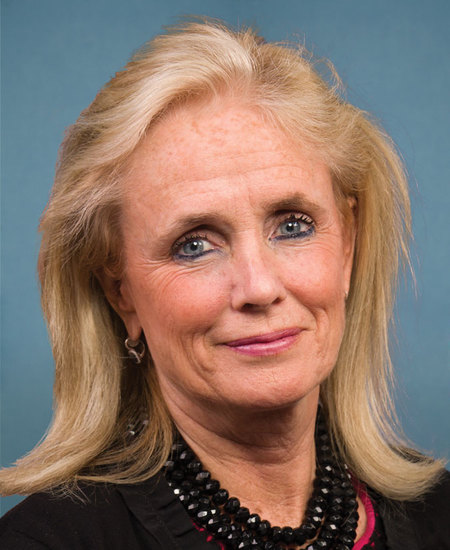
119th Congress Introduced by Debbie Dingell and 1 co-sponsor

Prohibits any intentionally added PFAS in food packaging used in interstate commerce to reduce PFAS exposure from packaged foods.

Introduced in House
0
WeVote Research Nonpartisan
Bill Summary · HR 9593

Overview

HR 9593 (119th Congress) would amend the Federal Food, Drug, and Cosmetic Act to prohibit the introduction or delivery for introduction into interstate commerce of food packaging that contains intentionally added per- and polyfluoroalkyl substances (PFAS). The bill, sponsored with co-sponsors Brian Fitzpatrick and Debbie Dingell, was introduced and referred to the House Committee on Energy and Commerce on July 6, 2026.

Purpose and intent

  • To reduce human exposure to PFAS through food packaging by banning packaging materials that contain PFAS that have been intentionally added during manufacturing.
  • To align with public health and consumer protection goals by removing a source of PFAS migration from packaging into food.

Key provisions and changes

  • Prohibition: It would make it unlawful to introduce or deliver for introduction into interstate commerce food packaging that contains intentionally added PFAS.
  • Definitions (likely scope): The bill would define “PFAS” and “intentionally added” substances, and specify packaging materials covered (e.g., wrappers, cartons, containers, liners, and any packaging components that contact food).
  • Compliance and enforcement: The measure would empower the agency (FDA) to enforce the prohibition, including potential regulatory actions for violations (e.g., recalls, penalties, and import/export safeguards).
  • Effective date: The bill would set an effective date for the prohibition or provide a phased timeline for compliance (exact date not provided in available information; the text would specify when the prohibition takes effect).
  • Rulemaking and guidance: The act may authorize FDA to issue guidance or adopt implementing standards to determine acceptable PFAS levels or to define “intentionally added” substances.
  • Preemption or exemptions: The bill could address whether any exemptions apply (e.g., for essential uses or already-approved PFAS for specific applications) or whether state laws are superseded; the exact language would be in the text.

Who would be affected

  • Food packaging manufacturers and suppliers: Entities involved in producing or distributing packaging for foods would need to remove intentionally added PFAS and switch to compliant materials.
  • Food manufacturers and retailers: Companies using packaging that would be restricted would need to source alternatives to remain in compliance with interstate commerce requirements.
  • Importers/exporters: Since the prohibition targets interstate commerce, importers bringing packaging into the U.S. and exporters shipping within the U.S. supply chain would be affected.
  • Consumers: Potential reduction in PFAS exposure through packaged food as a downstream public health impact.

Procedural and timeline aspects

  • Introduction and referral: Introduced in the House on July 6, 2026, referred to the Committee on Energy and Commerce.
  • Committee action: The bill’s fate depends on committee consideration, potential amendments, and subsequent floor votes.
  • Potential regulatory steps: FDA involvement for enforcement, guidance, and implementing rules following any enactment.

Potential impact and considerations

  • Public health: Aimed at reducing PFAS exposure from packaged foods, addressing concerns about PFAS persistence and potential health effects.
  • Industry shifts: Could drive a transition to PFAS-free packaging materials, affecting supply chains, costs, and innovation in packaging technology.
  • Regulatory clarity: The bill would provide a clear federal standard for PFAS in food packaging, potentially reducing state-level fragmentation.
  • Economic impact: Compliance costs for manufacturers; potential consumer price effects depending on industry adaptation and competitive dynamics.

Note: For a complete understanding, the bill’s full text would provide precise definitions, scope of materials covered, enforcement penalties, preemption language, and any phased timelines or exemptions.

Compiled from official sources — confirm details with the bill’s official record.

Sign in to ask a question.