

WeVote

Bill

Bill

HR 9594

To amend the Federal Food, Drug, and Cosmetic Act to ban the use of intentionally added perfluoroalkyl or polyfluoroalkyl substances in cosmetics, and for other purposes.

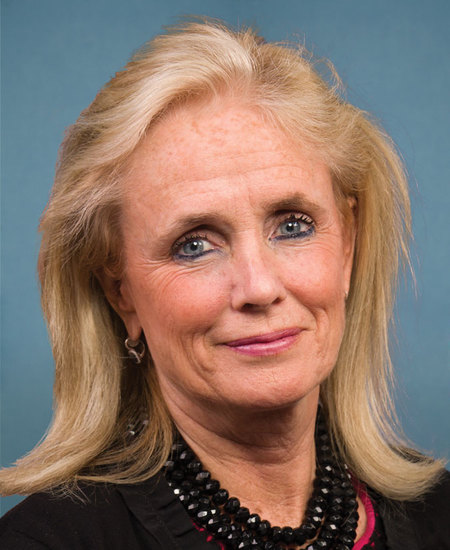
119th Congress Introduced by Debbie Dingell and 2 co-sponsors

Bans cosmetics with PFAS intentionally added as ingredients, requiring reformulation to remove PFAS from products sold interstate.

Introduced in House
0
WeVote Research Nonpartisan
Bill Summary · HR 9594

Summary of HR 9594 (119th Congress)

Purpose and intent

HR 9594 aims to protect health and consumer safety by prohibiting the intentional addition of perfluoroal kyl and polyfluoroalkyl substances (PFAS) in cosmetics. The core objective is to ban substances within the PFAS family that are added intentionally to cosmetic products, addressing concerns about chemical exposure and potential health risks associated with PFAS in consumer goods.

Key provisions and changes

  • Prohibition on intentional addition: The bill would ban cosmetics that contain PFAS substances added on purpose by manufacturers. The ban focuses on PFAS used as ingredients rather than incidental or trace contamination.
  • Scope of products: Applies to cosmetics as defined under the Federal Food, Drug, and Cosmetic Act (FD&C Act), covering products such as makeup, skincare items, hair products, and other cosmetics sold in interstate commerce.
  • Regulatory action mechanisms: While the text provided does not detail all administrative processes, the bill typically would authorize the FDA to regulate, enforce, and implement the prohibition, potentially including rulemaking, testing, and compliance activities.
  • Effective date and enforcement: The bill would establish a timeline for when the prohibition takes effect and outline enforcement tools, penalties, and potential civil or administrative actions for violations. Specific dates or penalty structures are not listed in the provided summary.
  • Safety and labeling considerations: The bill’s emphasis on banning intentional PFAS suggests a focus on reducing unnecessary exposure from cosmetic products; it may include clarifications regarding what constitutes intentional addition versus incidental presence.

Who would be affected

  • Cosmetic manufacturers and distributors: Companies that add PFAS to cosmetic products would be restricted from doing so and would need to reformulate products to remove intentional PFAS.
  • U.S. consumers: Individuals who purchase cosmetics would be less exposed to intentional PFAS ingredients in cosmetics.
  • Regulatory agencies: The FDA would gain authority to enforce the prohibition, potentially develop guidance, and oversee compliance activities.

Procedural and timeline aspects

  • Introduction: HR 9594 was introduced in the House and assigned to committee status.
  • Referral: On July 6, 2026, the bill was referred to the House Committee on Energy and Commerce.
  • Legislative process: As with typical bills, approval would require committee consideration, Floor action in the House, potential passage in the Senate, and presidential assent. The provided information does not include a stated timeline or probability of passage.

Additional context and notable points

  • Bipartisan sponsorship: The bill lists co-sponsors from multiple political backgrounds (Debbie Dingell, Brian Fitzpatrick, and Laura Friedman), indicating bipartisan interest in addressing PFAS in cosmetics.
  • Public health framing: The emphasis on banning intentionally added PFAS aligns with broader PFAS regulatory efforts focused on reducing exposure to persistent environmental chemicals in consumer products.

If you’d like, I can add a section comparing this bill to existing federal PFAS cosmetic regulations or summarize related companion bills and current FDA guidance on PFAS in cosmetics.

Compiled from official sources — confirm details with the bill’s official record.

Sign in to ask a question.