

WeVote

Bill

Bill

HR 9110

To amend the Federal Election Campaign Act of 1971 to require a disclaimer for certain communications paid for by a political committee, and for other purposes.

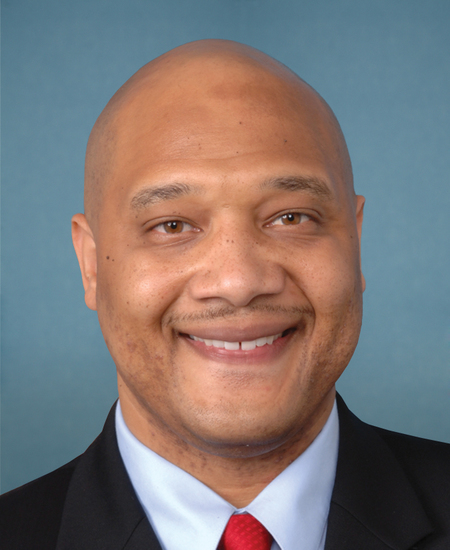
119th Congress Introduced by André Carson and 1 co-sponsor

The bill would require political committees to include a clearly visible disclaimer on certain paid political communications to improve funding transparency for voters.

Introduced in House
0
WeVote Research Nonpartisan
Bill Summary · HR 9110

Overview

HR 9110, introduced in the 119th Congress, seeks to amend the Federal Election Campaign Act of 1971 to require a disclaimer for certain communications paid for by a political committee, along with other related provisions. The bill has been referred to the House Committee on House Administration and has two co-sponsors: Rep. Mark Takano and Rep. André Carson.

Purpose and intent

  • Establish clearer disclosure for political communications funded by political committees.
  • Improve transparency around who is expressing political messages and who sponsored or funded such communications.
  • Align disclaimer requirements with contemporary fundraising and advertising practices to help voters identify the source of political messaging.

Key provisions and changes (as described)

  • Disclaimer requirement: The bill would mandate that certain communications paid for by a political committee include a disclaimer. The exact content, placement, and format of the disclaimer would be specified to ensure visibility and consistency across communications.
  • Scope of communications: The provision targets communications funded by political committees. This may include advertisements, digital content, mailings, or other paid political messaging. The bill would define the types of communications subject to the disclaimer and may exclude certain content (e.g., non-political content or internal communications not intended for broad public dissemination) as appropriate.
  • Compliance framework: The bill would establish enforcement mechanisms, penalties for noncompliance, and provisions for monitoring and adjudication. This could include timelines for compliance, reporting requirements, and potential remedies for violations.
  • Administrative alignment: Revisions may interact with existing FECA provisions, including the definitions of political committees, disclosure rules, and existing disclaimer requirements for broadcast or other media, ensuring a cohesive regulatory framework.

Note: The summary above reflects the bill’s stated aim to require disclaimers for certain paid communications and to codify related regulatory mechanisms. The precise language, including the disclaimer wording, timing, and scope, would be found in the full text of the bill.

Affected entities and stakeholders

  • Political committees: Organizations that raise and spend money for political campaigns would be directly impacted by the new disclaimer requirement.
  • Candidates and campaigns: Those behind or benefiting from political communications would need to ensure compliance and budgeting for disclaimer-related obligations.
  • Voters and the public: Expect increased transparency about who is paying for political messaging, aiding informed electoral decision-making.
  • Election administrators and the House Administration Committee: Responsible for oversight, enforcement, and implementation of the new requirement.

Procedural and timeline aspects

  • Introduction and referral: HR 9110 was introduced and referred to the House Committee on House Administration on June 2, 2026.
  • Next steps: The committee would review, potentially amend, and vote on advancing the bill. If approved, it could proceed to full House consideration, followed by potential Senate action and, if enacted, implementation deadlines for the disclaimer requirements.
  • Effective date: The bill’s text would specify effective dates and any phased-in timelines for compliance after enactment.

Potential impact (high-level)

  • Enhanced transparency about the funding and sourcing of political communications.
  • Administrative and compliance costs for political committees to implement disclaimers (design, placement, and ongoing monitoring).
  • Possible adjustments in how voters perceive and evaluate political advertising, with greater visibility into who is paying for messages.

If you’d like, I can tailor this summary to a specific audience (e.g., policymakers, journalists, or civic organizations) or extract potential fiscal implications and enforcement details once the bill’s full text is available.

Compiled from official sources — confirm details with the bill’s official record.

Sign in to ask a question.