

WeVote

Bill

Bill

HR 9380

Expanding Access to Credit through Consumer-Permissioned Data Act

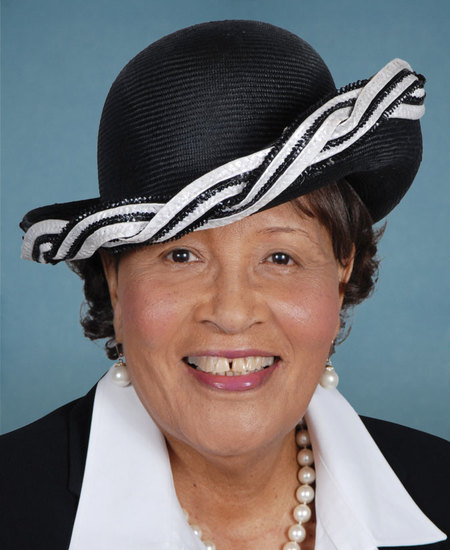
119th Congress Introduced by Alma Adams and 4 co-sponsors

HR 9380 would require lenders to consider a broader set of credit information beyond traditional scores when underwriting mortgages, aiming to widen access within ECOA.

Introduced in House
0
WeVote Research Nonpartisan
Bill Summary · HR 9380

Summary of HR 9380 (119th Congress)

Purpose and intent

HR 9380 would amend the Equal Credit Opportunity Act to require creditors to consider additional types of credit information when underwriting mortgage loans. The overarching goal is to promote more inclusive access to mortgage credit by incorporating broader or alternative data sources into the decision-making process, beyond traditional credit scoring metrics alone.

Key provisions and changes

  • Expanded information set for underwriting: Lenders would be obligated to evaluate a broader set of credit information when assessing mortgage loan applications. While the exact data elements are not specified in the available summary, the bill’s intent is to incorporate information that might better reflect a borrower’s creditworthiness and repayment behavior beyond conventional credit scores.
  • Consistency with ECOA framework: The changes operate within the existing Equal Credit Opportunity Act framework, aiming to reduce discrimination and ensure fair treatment of applicants while expanding permissible evaluative criteria.
  • Non-discrimination and compliance: The bill would align with ECOA protections by prohibiting credit decisions that are discriminatory on protected characteristics, even as lenders consider the expanded data set. It would also likely require lenders to document and justify underwriting decisions based on the new information.

Who/what would be affected

  • Creditors and lenders: Banks, mortgage lenders, credit unions, and other entities extending mortgage credit would be impacted by the new underwriting requirements.
  • Mortgage applicants: Borrowers seeking mortgages would be affected by potentially different underwriting practices, as lenders consider additional credit information in making approval decisions or terms.
  • Regulators and enforcement: Agencies responsible for enforcing ECOA and fair housing/credit laws would oversee compliance, monitoring for improper use of data and discriminatory outcomes.

Procedural and timeline aspects

  • Introduction and referral: HR 9380 was introduced in the House and referred to the House Committee on Financial Services on June 18, 2026.
  • Next steps: The bill would progress through committee consideration, potential markup, and, if advanced, floor consideration and votes. Its ultimate fate would depend on committee action, broader legislative priorities, and potential amendments.

Additional context

  • The bill is sponsored by multiple members with co-sponsors including Gwen Moore, Nikema Williams, Sylvia Garcia, Alma Adams, and Bonnie Watson Coleman, signaling bipartisan and diverse support for expanding credit information in mortgage underwriting within ECOA’s framework.
  • As introduced, specific data elements and operational standards (e.g., permissible non-traditional data categories, methods for evaluating such data, consumer notice requirements, and timelines for compliance) are not detailed in the summary provided. Final bill text would clarify these technical provisions, including any regulatory reporting or oversight requirements.

If you’d like, I can pull the exact text to enumerate the proposed additional credit information and any related compliance timelines, disclosure rules, or enforcement mechanisms.

Compiled from official sources — confirm details with the bill’s official record.

Sign in to ask a question.