

WeVote

Bill

Bill

HR 8402

To amend the Elementary and Secondary Education Act of 1965 to increase civics education programs, and for other purposes.

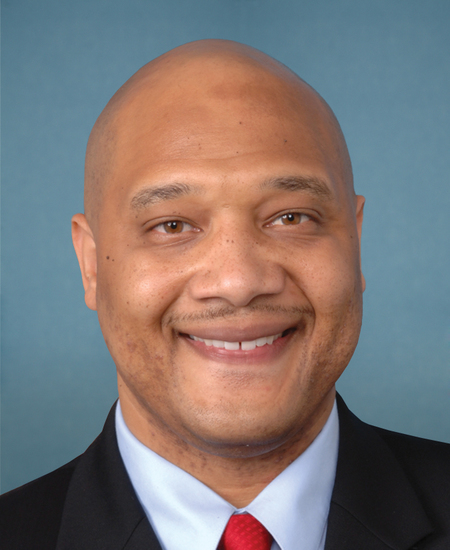
119th Congress Introduced by André Carson and 22 co-sponsors

The bill would expand and fund civics education in K-12 ESEA programs to strengthen students’ understanding of civics and democratic processes.

Introduced in House
0
WeVote Research Nonpartisan
Bill Summary · HR 8402

Summary of HR 8402 (119th Congress) — To amend the Elementary and Secondary Education Act of 1965 to increase civics education programs, and for other purposes

Purpose and intent

  • The bill aims to enhance civics education across K-12 by amending the Elementary and Secondary Education Act of 1965 (ESEA) to increase and improve civics-focused programs and activities in U.S. schools.
  • Broadly, it seeks to strengthen students’ understanding of civics, government, and democratic processes, and to support educators in delivering civics content.

Key provisions and changes (as introduced)

  • Amend ESEA to expand civics education programs and funding streams to prioritize civics in elementary and secondary education.
  • Likely expansion or creation of grants, state-level assistance, or competitive funding to support civics instruction, resources, professional development for teachers, and related activities (note: specific program names and funding levels would be detailed in the bill text).
  • Emphasis on integrating civics across curricula, potentially including activities such as simulated government processes, civic engagement projects, and partnerships with non-governmental organizations or institutions.

Who/what would be affected

  • Students in elementary and secondary schools nationwide would be the primary beneficiaries, through expanded civics instruction and related activities.
  • School districts, state education agencies, and local education agencies that administer ESEA programs may see new or expanded requirements, guidelines, or funding opportunities tied to civics education.
  • Civics educators and professional development providers could gain access to new or increased funding and resources to improve instruction.

Procedural and timeline aspects

  • Status: Introduced in the House and referred to the House Committee on Education and Workforce (as of 2026-04-21).
  • Next steps: The committee will review, potentially amend, and vote on whether to report the bill to the full House. If reported, it would proceed to floor consideration and then potentially to Senate action and more complex legislative process.
  • Sponsors: A broad list of co-sponsors from the House Democratic caucus, indicating notable bipartisan legislative interest in expanding civics education.

Potential impact considerations

  • Educational Impact: Could raise the emphasis on civics in state and local curricula, provide funding for classroom materials, teacher training, and program evaluation.
  • Equity and Access: If funded through federal grants, may help ensure civics opportunities are available in underserved districts, though actual impact depends on funding levels and grant criteria.
  • Accountability and Measurement: The bill would likely include reporting or assessment requirements to monitor progress and outcomes in civics comprehension and civic engagement indicators.

If you’d like, I can tailor this summary to include potential cost estimates, known programmatic mechanisms (e.g., grant titles, matching requirements), or compare with prior civics-focused federal initiatives for context.

Compiled from official sources — confirm details with the bill’s official record.

Sign in to ask a question.