

WeVote

Bill

Bill

HR 9320

To amend the Elementary and Secondary Education Act of 1965 to allow local educational agencies to use Federal funds for programs and activities that address chronic absenteeism, and for other purposes.

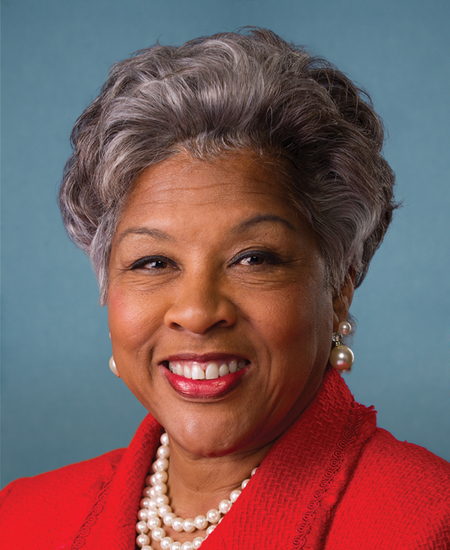
119th Congress Introduced by Joyce Beatty and 7 co-sponsors

Allows local school districts to use federal ESEA funds to support programs and activities addressing chronic absenteeism.

Introduced in House
0
WeVote Research Nonpartisan
Bill Summary · HR 9320

Overview

HR 9320 (119th Congress) proposes amendments to the Elementary and Secondary Education Act of 1965 (ESEA) to permit local educational agencies (LEAs) to use Federal funds for programs and activities that address chronic absenteeism, along with other related purposes. The bill has been referred to the House Committee on Education and Workforce and has a roster of co-sponsors including LaMonica McIver, Joyce Beatty, Troy Carter, Eleanor Holmes Norton, Frederica Wilson, Bennie Thompson, Shomari Figures, and Deborah Ross.

Purpose and Intent

  • The central aim is to expand allowable uses of Federal education funds to specifically address chronic absenteeism in schools.
  • By authorizing LEAs to fund programs and activities targeting chronic absenteeism, the bill seeks to improve student attendance, engagement, and associated academic outcomes.

Key Provisions (as inferred from the title and summary)

  • Authorization: Allows LEAs to use Federal funds under ESEA for activities and programs that address chronic absenteeism. This may include prevention, intervention, monitoring, and support services aimed at reducing student absences.
  • Alignment with ESEA: The bill would amend ESEA provisions to explicitly include chronic absenteeism as a reimbursable or allowable use of Federal funds at the local level.
  • Scope of Programs: Programs could involve outreach, family engagement, student supports, community partnerships, data tracking, and preventive/response measures designed to reduce missing instructional time.
  • Reporting and Accountability: While not detailed in the brief, such amendments typically involve compliance requirements, periodic reporting, and alignment with federal rules to ensure funds are used for intended attendance-related activities.
  • Additional Provisions: The title mentions “and for other purposes,” signaling potential ancillary changes related to attendance or related metrics, program administration, or state/local coordination, which would be clarified in the full text.

Who Would Be Affected

  • Local Educational Agencies (LEAs): School districts, charter schools operating with ESEA funds, and other local entities receiving federal education dollars would be able to apply funds to chronic absenteeism programs.
  • Students and Families: Students with high absenteeism and their families could benefit from targeted interventions, supports, and outreach.
  • School Personnel: Educators, administrators, counselors, and attendance coordinators would implement or coordinate absenteeism programs and data-driven interventions.
  • State Education Agencies (SEAs): Depending on implementation, SEAs may oversee compliance, reporting, and distribution of funds in accordance with ESEA amendments.

Procedural and Timeline Aspects

  • Status: Referred to the House Committee on Education and Workforce (as of 2026-06-15) after introduction.
  • Next Steps: Committee consideration, potential markups, and eventual floor action in the House. If enacted, the bill would need passage in the Senate and signature by the President to become law.
  • Effective Date: Specific effective dates, funding authorization periods, and implementation timelines would be detailed in the enacted text (not provided in the summary).

Potential Impacts and Considerations

  • Positive Impact: By explicitly funding chronic absenteeism initiatives, districts may deploy targeted outreach, social-emotional supports, and family engagement activities to reduce absences and improve academic outcomes.
  • Compliance and Oversight: The amendment would require adherence to federal guidelines for using ESEA funds, including any reporting and accountability measures.
  • Equity Considerations: If implemented with attention to underserved populations, the provision could help address attendance disparities linked to socio-economic factors, health, and access barriers.

If you’d like, I can tailor this summary to emphasize particular stakeholders (e.g., district administrators vs. policymakers) or compare with existing ESEA flexibilities on attendance.

Compiled from official sources — confirm details with the bill’s official record.

Sign in to ask a question.