

WeVote

Bill

Bill

HR 8606

To amend the Elementary and Secondary Education Act of 1965 and the Individuals with Disabilities Education Act to ensure no funds made available under such Acts may be awarded to a charter school or charter management organization that enters into a contract with a for-profit entity for operating, overseeing, or managing the charter school, and for other purposes.

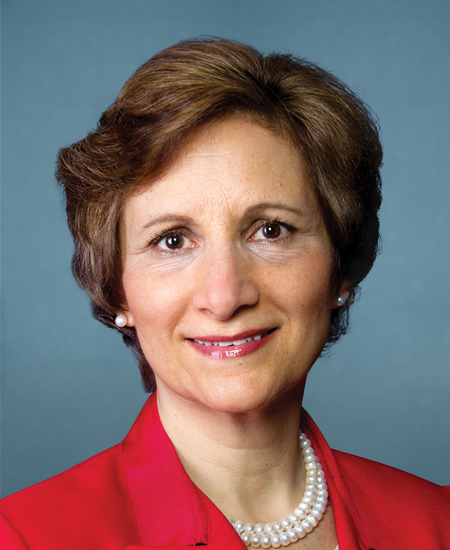
119th Congress Introduced by Suzanne Bonamici and 13 co-sponsors

Prohibits federal funds under ESEA and IDEA from supporting charter schools or CMOs that contract with for-profit operators to run or manage the school.

Introduced in House
0
WeVote Research Nonpartisan
Bill Summary · HR 8606

Summary of HR 8606 (119th Congress)

Title

To amend the Elementary and Secondary Education Act of 1965 (ESEA) and the Individuals with Disabilities Education Act (IDEA) to ensure no funds made available under such Acts may be awarded to a charter school or charter management organization that enters into a contract with a for-profit entity for operating, overseeing, or managing the charter school, and for other purposes.

Purpose and Intent

  • The bill aims to prohibit use of federal funds under ESEA and IDEA from being awarded to charter schools or charter management organizations (CMOs) that contract with for-profit entities to operate, oversee, or manage the charter school.
  • In effect, it seeks to prevent federal dollars from supporting arrangements where a for-profit company has a controlling or operational role in running a charter school.

Key Provisions (highlights)

  • Revisions to ESEA (the federal framework governing K-12 funding, including programs like Title I) and IDEA (special education funding and services) to implement a prohibition on federal funds for charter schools/CMOs under contract with for-profit operators.
  • The prohibition applies to funds made available under ESEA and IDEA. This means:
    • No federal support through programs authorized by these acts would flow to charter schools or CMOs if they have contracts with for-profit entities for daily operations or management.
  • The bill is targeted at the governance/operational model of charter schools, focusing on the use of for-profit contracting for school management.
  • The text suggests a broader objective of redirecting federal funds toward school models that do not rely on for-profit management contracts, though the precise mechanism (definitions, enforcement, penalties, or transitional provisions) would be detailed in the bill’s language.

Who/What Would Be Affected

  • Affected Entities:
    • Charter schools (as defined under applicable state and federal law) and charter management organizations that operate multiple charter schools.
    • For-profit entities contracted to operate, oversee, or manage such charter schools.
  • Funds Affected:
    • Federal funds disbursed under ESEA and IDEA, including programs such as Title I (basic, improving teacher quality, etc.) and IDEA (special education allocations), would be barred from being awarded to schools under the described contractual arrangements.

Procedural and Timeline Aspects

  • Introduction and Referral:
    • Introduced in the U.S. House of Representatives.
    • Referred to the House Committee on Education and Workforce (as of 2026-04-30).
  • Next Steps (typical legislative process):
    • Committee consideration, potential markup, and approval.
    • If advanced, floor consideration by the House, then Senate action, and a potential White House signature to become law.
  • No specific funding, implementation timeline, or phase-in schedule is provided in the available action history; such details would typically appear in the bill’s text or committee report.

Additional Context

  • The bill has a bipartisan list of co-sponsors, indicating cross-partisan interest in addressing governance/operational models of charter schools and the use of for-profit management arrangements.
  • This measure interacts with the broader policy landscape on charter school accountability, federal funding rules, and oversight of educational service providers.

If you’d like, I can tailor this summary to a specific audience (parents, educators, policymakers) or extract and list the bill’s precise sections and definitions once the full text is available.

Compiled from official sources — confirm details with the bill’s official record.

Sign in to ask a question.