

WeVote

Bill

Bill

HR 9186

To amend the Controlled Substances Act to more closely align the Act with modern medical knowledge, terminology, and practices, and for other purposes.

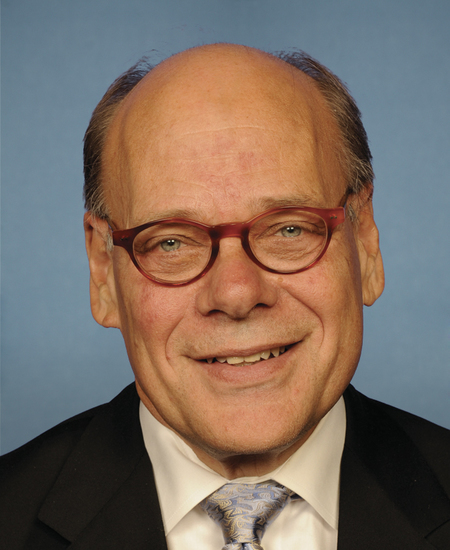
119th Congress Introduced by Steve Cohen

HR 9186 aims to update the Controlled Substances Act to reflect modern medical knowledge, terminology, and practices, clarifying definitions and regulatory criteria.

Introduced in House
0
WeVote Research Nonpartisan
Bill Summary · HR 9186

Overview

HR 9186, introduced in the 119th Congress, seeks to amend the Controlled Substances Act with the goal of aligning federal drug policy with contemporary medical knowledge, terminology, and practices. The bill is designed to update definitions, classifications, and regulatory approaches to controlled substances and related activities, reflecting modern medical understanding and treatment paradigms. It has a Democrat sponsor (with Steve Cohen as a co-sponsor) and was referred to both the House Energy and Commerce Committee and the House Judiciary Committee.

Primary purpose and intent

  • Align the Controlled Substances Act with current medical knowledge, terminology, and clinical practices.
  • Potentially broaden or clarify how certain substances are defined, scheduled, or regulated to reflect advances in science and medicine.
  • Facilitate more accurate use, research, and treatment related to controlled substances within the medical and scientific communities.
  • Improve coherence between federal drug policy and contemporary medical standards to reduce ambiguities in enforcement, regulation, and research.

Key provisions and changes (as described)

  • Amendments to the Controlled Substances Act (CSA) to reflect modern medical understanding.
  • Revisions to terminology used to describe substances and related activities to match current medical language.
  • Adjustments to scheduling framework or regulatory criteria to align with up-to-date medical and scientific evidence.
  • Potential modifications to definitions of “medical use,” “biomedical research,” or related terms to improve clarity for clinicians, researchers, and regulators.
  • Provisions may address enforcement, research exemptions, and/or regulatory pathways for medical use, investigation, and treatment involving controlled substances.

Note: The exact text of the provisions is not provided here; the summary reflects the stated purpose “to more closely align the Act with modern medical knowledge, terminology, and practices, and for other purposes.”

Affected parties and impacts

  • Healthcare professionals, including clinicians and pharmacists, who handle controlled substances in medical settings.
  • Researchers conducting work with controlled substances, including federal and non-federal drug policy compliance.
  • Regulatory and law enforcement agencies responsible for scheduling, registration, and enforcement under the CSA.
  • Pharmaceutical and biotechnology entities involved in development, manufacturing, or distribution of controlled substances.
  • Patients and the public may experience changes in access pathways, documentation requirements, and permissible medical use as schedules or terms are updated.

Procedural and timeline aspects

  • Status: Introduced in the House on June 8, 2026.
  • Referral: Referred to the House Committee on Energy and Commerce and the House Committee on the Judiciary for consideration of provisions within each committee’s jurisdiction.
  • Next steps: Committee hearings, marks, and potential floor consideration would follow as the bill progresses. Substantive changes would depend on committee amendments and negotiations between committees and chambers.

Practical considerations

  • The bill’s precise impact depends on the specific amendments enacted to the CSA, including any changes to scheduling criteria, definitions, or regulatory processes.
  • As this is a policy alignment measure, anticipated effects include greater clarity for medical and research use, potential changes in eligibility for medical treatment involving regulated substances, and adjustments in enforcement and compliance frameworks.
  • Stakeholders may include medical societies, research institutions, patient advocacy groups, pharmaceutical developers, and regulatory agencies seeking clearer, up-to-date standards.

If you’d like, I can tailor this further to track potential changes to schedule classifications, research exemptions, or enforcement provisions once the bill’s a more complete text is available.

Compiled from official sources — confirm details with the bill’s official record.

Sign in to ask a question.