

WeVote

Bill

Bill

HR 9122

To amend the consumer product safety laws to repeal the exclusion of pistols, revolvers, and other firearms from the definition of consumer product under such laws.

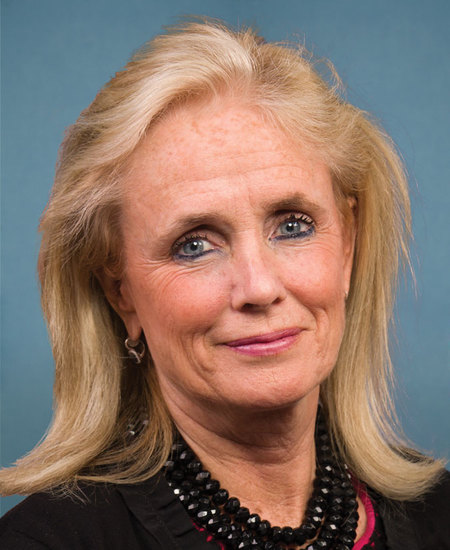
119th Congress Introduced by Debbie Dingell

Repeals the gun exclusion from consumer product safety laws, bringing firearms under safety standards, labeling, testing, recalls, and enforcement.

Introduced in House
0
WeVote Research Nonpartisan
Bill Summary · HR 9122

Summary of HR 9122 (119th Congress)

Purpose and intent

  • HR 9122 seeks to amend the federal consumer product safety laws by repealing the current exclusion that excludes pistols, revolvers, and other firearms from the definition of a “consumer product.”
  • The bill aims to bring firearms under the regulatory framework applied to most consumer products, potentially subjecting firearms to certain safety standards, testing, labeling, recall, and enforcement provisions currently applicable to other consumer goods.
  • Sponsor: Representative (co-sponsor) Debbie Dingell, with introduction and referral noted on June 3, 2026.

Key provisions and changes (what the bill would change)

  • Repeal of firearm exclusion: The central change is removing the statutory exemption that places pistols, revolvers, and other firearms outside the definition of a consumer product under federal consumer product safety laws.
  • Inclusion of firearms under consumer product safety regime: Once the exclusion is repealed, firearms could fall within the purview of the consumer product safety framework, which may entail:
    • Compliance obligations for manufacturers, distributors, and importers related to safety standards and information disclosures.
    • Potential labeling, instruction, and warning requirements as promulgated under the consumer product safety laws.
    • Mechanisms for product safety testing, certification, and conformity assessment where applicable.
    • Procedures for identifying, reporting, and addressing safety defects or unreasonable risks (e.g., recalls, corrective actions) administered by the consumer safety agency (typically the Consumer Product Safety Commission or its statutory equivalents).
  • Administrative and regulatory alignment: The bill may necessitate updates to regulatory guidance, interagency coordination, and potential rulemaking to establish appropriate safety standards or to determine how firearms would be regulated under the consumer product safety laws.

Who or what would be affected

  • Firearm manufacturers, importers, distributors, and retailers: Would be subject to the consumer product safety framework applicable to products following repeal, including potential compliance, testing, labeling, and recall responsibilities.
  • Consumers: Potentially benefit from enhanced safety information, labeling, and recall mechanisms for firearms, subject to subsequent rulemaking and enforcement.
  • Federal regulatory agencies: Agencies responsible for consumer product safety would gain jurisdictional authority over firearms, necessitating regulatory actions, enforcement capacity, and possible collaboration with agencies already overseeing firearms safety, manufacturing, and sales.

Procedural and timeline aspects

  • Referral and introduction: The bill was introduced in the House on June 3, 2026, and referred to the House Committee on Energy and Commerce for review and discussion.
  • Next steps: If advanced, the committee would consider markup, votes, and potential reporting to the full House. Floor action and potential passage in the House would proceed through the standard legislative process, with consideration by the Senate and potential reconciliation if companion legislation exists.

Potential impacts and considerations

  • Safety/regulatory landscape: The change could broaden the scope of federal consumer safety oversight to firearms, but the exact standards, tests, labeling, and recall processes would depend on subsequent rulemaking and implementation by the relevant safety agency.
  • Debates and implementation: The bill would likely prompt discussion on safety benefits versus regulatory burden for firearm manufacturers and sellers, as well as compatibility with existing firearms regulations and any constitutional considerations related to firearm regulation.
  • Economic and practical effects: Depending on final regulatory texts, there could be costs associated with compliance, product testing, labeling, and recall readiness for firearms, and potential market implications for manufacturers and retailers.

Note: This summary is based on the bill’s stated objective to repeal the firearm exclusion from the consumer product safety definition and its immediate procedural history. If further text or committee reports are released, additional specifics on standards, exemptions, and enforcement would be available.

Compiled from official sources — confirm details with the bill’s official record.

Sign in to ask a question.