

WeVote

Bill

Bill

HR 7921

To amend the Consolidated Farm and Rural Development Act to modify provisions relating to rural decentralized water systems grants.

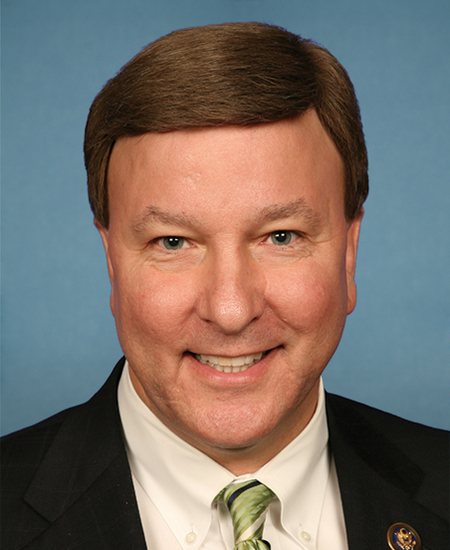
119th Congress Introduced by Mike Rogers and 1 co-sponsor

Expands rural water funding by letting nonprofits grant loans and subgrants to individuals for private wells and decentralized wastewater, with two income-based tracks.

Referred to the Subcommittee on Commodity Markets, Digital Assets, and Rural Development.
0
WeVote Research Nonpartisan
Bill Summary · HR 7921

Summary of HR 7921 (119th Congress)

Purpose and intent

  • HR 7921 seeks to amend the Consolidated Farm and Rural Development Act to modify provisions governing grants and loans under the rural decentralized water systems program.
  • The focus is to expand access to funding for individuals in rural areas to obtain or improve privately owned household water wells and decentralized wastewater systems, by channeling support through nonprofit organizations that administer subgrants and loans.

Key provisions and changes

  • Program restructuring and scope (Section 306E, amended):

    • The existing section on rural decentralized water systems is repealed and replaced with a new framework titled: “Grants to nonprofit organizations making loans and subgrants for construction, refurbishing, and servicing of individually owned household water well systems and household decentralized wastewater systems in rural areas.”
    • Purpose: The Secretary may provide grants to private nonprofit organizations to fund subgrants and loans to individuals for construction, refurbishing, and servicing of private household water wells and decentralized wastewater systems in rural areas.
  • Grants to nonprofit organizations (new subsection (a)):

    • Nonprofit organizations may receive grants from the Secretary.
    • These grants are used to provide subgrants and loans to individuals (see subsection (b)) for the described water/wastewater improvements.
  • Loans and subgrants to individuals (new subsection (b)):

    • Nonprofits use grant funds to distribute:
    • Subgrants to individuals in the nonprofit’s service area who are members of a household with income less than 60% of the area’s median nonmetropolitan household income (based on the most recent decennial census).
    • Loans to individuals in the service area who are members of a household with income at least 60% of the area’s median nonmetropolitan household income.
    • Income thresholds are tied to the most recent decennial census and the service area of the nonprofit.
    • Subsection (b)(2) adjustments:
    • The income threshold reference for the higher-income group is retained (60% or more of the area’s median nonmetropolitan income), with a specific numerical update from $15,000 to $20,000 in the bill’s text. This reflects an adjustment in income-based eligibility or benefit levels.
    • New subsection (b)(5) – warranties funding:
    • A subgrant for an individually owned decentralized wastewater system may include additional funds to cover the cost of a performance warranty with a duration of at least 5 years.
  • Program duration/timeline (subsection (d)):

    • The deadline year stated in the prior law (2023) is extended to 2031, indicating a longer authorization period for the program or its funding commitments.

Who is affected

  • Beneficiaries:

    • Rural residents who own private household water wells or decentralized wastewater systems, and who reside in the service areas of participating nonprofit organizations.
    • Eligibility is primarily based on income relative to the local area median nonmetropolitan income, with separate tracks for subgrants (lower-income households) and loans (higher-income households).
  • Nonprofit organizations:

    • Private nonprofits designated to operate the program and administer subgrants and loans to individuals.
  • Households and communities:

    • Rural households will benefit from improved or serviced water well systems and decentralized wastewater systems, with potential warranty protections for funded systems.

Procedural and timeline notes

  • Legislative steps and sponsor information:

    • Introduced in March 2026 by Rep. Terri Sewell (and cosponsored by Rep. Mike Rogers).
    • Referred to the House Committee on Agriculture; later to the Subcommittee on Commodity Markets, Digital Assets, and Rural Development.
  • Effective period and authorization:

    • The bill proposes extending the relevant program’s framework through 2031 (versus the prior cutoff of 2023, per the existing text being amended).

Potential impact and considerations

  • Expands access to funding for rural households to obtain or improve privately owned water wells and decentralized wastewater systems via nonprofit intermediaries.
  • Introduces a two-tier financial assistance model based on income relative to area medians, potentially increasing targeted aid to lower-income households while still offering loans to higher-income households within the rural service area.
  • Adds a mandatory 5-year performance warranty funding option, which could improve long-term system reliability and consumer protection.
  • Extends program authorization through 2031, signaling a longer-term commitment to rural water infrastructure support.

Notes:
- Specific dollar amounts for grants or loan terms (beyond the $20,000 income threshold adjustment) are not provided in the text of the bill excerpt.
- The bill requires passage by Congress and signature into law to take effect.

Compiled from official sources — confirm details with the bill’s official record.

Sign in to ask a question.