

WeVote

Bill

Bill

HR 8570

To amend the Congressional Budget and Impoundment Control Act of 1974 to require the Congressional Budget Office to include the effects of using baseline assumptions when preparing estimates under such Act, and for other purposes.

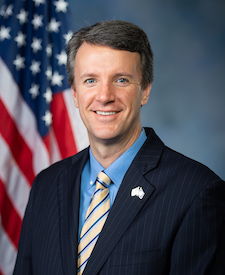
119th Congress Introduced by Ben Cline

Requires CBO to disclose budget effects arising from baseline assumptions in its official estimates.

Introduced in House
0
WeVote Research Nonpartisan
Bill Summary · HR 8570

Summary of HR 8570 (119th Congress)

Title

To amend the Congressional Budget and Impoundment Control Act of 1974 to require the Congressional Budget Office to include the effects of using baseline assumptions when preparing estimates under such Act, and for other purposes.

Purpose and Intent

  • The bill proposes a change to how the Congressional Budget Office (CBO) prepares official budget estimates.
  • Specifically, it would require CBO to include in its estimates the effects that arise from the use of baseline assumptions when applying the budget rules under the Congressional Budget and Impoundment Control Act of 1974 (CBO Act).

Key Provisions and Changes

  1. Requirement to Include Baseline Effects

    • CBO would be mandated to account for and disclose the budgetary effects that result from the use of baseline assumptions in its estimates.
    • This is in addition to existing analyses, adding a focus on how baseline choices influence projected spending, revenues, and deficits.
  2. Scope of Baseline Assumptions

    • The provision covers the baseline assumptions used to generate official baseline projections as part of the budgetary process under the CBO Act.
    • It aims to improve transparency around how changing or uncertain baselines can alter estimated budgetary outcomes.
  3. Other Purposes

    • The bill includes additional purposes related to enhancing the clarity and completeness of budgetary estimates, potentially affecting budgeting procedures and reporting standards.

Who/What Would Be Affected

  • Congressional Budget Office (CBO): Primary implementation agent, required to modify methods to explicitly include baseline-effect analyses in its official estimates.
  • Legislative Committees (Budget and Rules): Those tasked with considering budget estimates and procedural matters would receive more detailed CBO analyses, informing debate and decision-making.
  • Legislation Analyzed: Any bill or resolution subject to CBO scoring under the CBO Act would see estimates now accompanied by disclosures of baseline-effect implications.

Procedural and Timeline Aspects

  • Introduced: April 29, 2026.
  • Referral: Referred to the Committee on Rules and in addition to the Committee on the Budget for consideration of provisions within their jurisdiction.
  • The committee referral signals procedural steps before potential floor consideration, with the speaker determining the period for consideration.

Potential Impact and Considerations

  • Transparency: Aims to improve transparency about how baseline assumptions influence budget projections and policy outcomes.
  • Analytical Depth: Could encourage more nuanced interpretation of CBO estimates by highlighting sensitivity to baselines.
  • Budget Process: May affect how lawmakers assess the fiscal impact of proposed legislation, potentially altering debate dynamics around baseline choices.

This summary captures the bill’s stated goal, core provisions, affected actors, and procedural steps based on the bill text and action history available. For a deeper understanding, future amendments, hearings, or updated text would clarify specific methodologies and reporting formats CBO would employ to disclose baseline-effect analyses.

Compiled from official sources — confirm details with the bill’s official record.

Sign in to ask a question.