

WeVote

Bill

Bill

HR 8296

To amend the Comprehensive Environmental Response, Compensation, and Liability Act of 1980 to provide for the consideration of climate change, and for other purposes.

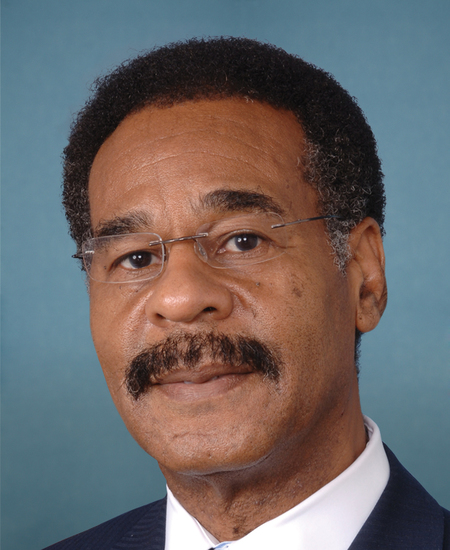
119th Congress Introduced by Emanuel Cleaver and 3 co-sponsors

Incorporates climate change factors into CERCLA decisions to prioritize cleanup, funding, and long-term resilience at Superfund sites.

Introduced in House
0
WeVote Research Nonpartisan
Bill Summary · HR 8296

Summary of Bill: HR 8296 (119th Congress)

Title

To amend the Comprehensive Environmental Response, Compensation, and Liability Act of 1980 (CERCLA) to provide for the consideration of climate change, and for other purposes.

Purpose and intent

  • The bill seeks to modify CERCLA (the federal \"Superfund\" law) to incorporate climate change considerations into the program.
  • The overarching goal is to ensure that decisions, responses, and processes under CERCLA account for climate-related risks and impacts.

Key provisions (as described by bill title and typical CERCLA amendments)

Note: The summary reflects the intended direction inferred from the bill’s title and related climate-focused CERCLA amendments. The specific text of HR 8296 would detail exact mechanisms, which are not provided in the brief action history.

  • Climate change integration in CERCLA processes: Introduces requirements or authorities to evaluate and consider climate change factors in:
    • Site assessment and prioritization of contamination cleanup.
    • Allocation of resources and prioritization of Superfund response actions.
    • Long-term stewardship, resilience, and adaptation considerations for contaminated sites.
  • Risk assessment updates: Potential incorporation of climate-related risks (e.g., extreme weather, sea-level rise, temperature changes) into risk assessments used to determine cleanup actions and schedules.
  • Funding and economic considerations: Possible implications for how cleanup costs are evaluated or funded in the context of climate resilience and adaptation measures.
  • Interagency coordination: Enhanced coordination among federal agencies involved in environmental cleanup and climate policy to align objectives and share information on climate risks at contaminated sites.
  • Reporting and transparency: May require reporting on climate-related considerations in Superfund actions, and possibly updating guidance documents or regulations to reflect climate factors.

Who/what would be affected

  • CERCLA/Superfund sites: Contaminated sites undergoing assessment, listing, cleanup, or long-term stewardship would be affected insofar as climate considerations are integrated into decisions.
  • EPA and related agencies: Federal agencies administering CERCLA would implement new requirements and guidance.
  • Communities and stakeholders near contaminated sites: Communities could see changes in prioritization, cleanup approaches, and resilience measures that address climate risks.
  • Industry and responsible parties: Entities responsible for cleanup and site settlements may face new evaluation criteria and potential cost considerations tied to climate resilience.

Procedural and timeline aspects

  • Introduced and referred (2026-04-15): The bill was introduced in the House and referred to:
    • House Committee on Energy and Commerce
    • House Committee on Transportation and Infrastructure
    • (A period to be determined by the Speaker for consideration by each committee)
  • Sponsors:
    • Primary or co-sponsors include Sydney Kamlager, Emanuel Cleaver, Raja Krishnamoorthi, and Rashida Tlaib.
  • Next steps in Congress:
    • The bill would undergo committee hearings, markups, and potential amendments in the two committees of jurisdiction.
    • If approved, it would move to the full House for debate and vote, and, if passed, proceed to the Senate for consideration.

Potential impact (high-level)

  • Incorporating climate change into CERCLA decisions could shift cleanup priorities toward resilience and adaptation, potentially altering timelines, funding needs, and site-specific actions.
  • May improve preparedness for climate-driven risk at contaminated sites (e.g., coastal flood exposure, extreme weather impacts on remediation efforts).
  • Could influence federal and local strategies for managing Superfund sites in the face of a changing climate.

Note: For a precise, line-by-line understanding of requirements and mechanisms, the full text of HR 8296 and the accompanying summaries from committee report language would be required.

Compiled from official sources — confirm details with the bill’s official record.

Sign in to ask a question.