Overview
HR 8798 (Session 119) is a U.S. House bill titled to amend the Child Nutrition Act of 1966 and the Richard B. Russell National School Lunch Act with the objective of making breakfasts and lunches free for all children, along with other related provisions. The measure has a broad coalition of bipartisan and diverse sponsors and has been referred to the House Committees on Education and Workforce, Agriculture, and Science, Space, and Technology for consideration of provisions within their jurisdiction.
Main Purpose and Intent
- Establish universal free meals: The bill aims to ensure that all children receive free breakfast and free lunch, reducing or eliminating the cost barrier for school meals.
- Align with federal nutrition programs: It modifies existing federal law governing child nutrition to implement universal free meal access in schools and related settings.
Key Provisions and Changes (as implied by title and context)
- Amendments to:
- The Child Nutrition Act of 1966
- The Richard B. Russell National School Lunch Act
- Meal program changes:
- Require schools to provide free breakfast and free lunch to all enrolled students, irrespective of family income or eligibility.
- Administrative and programmatic adjustments:
- Potential changes to funding formulas, reimbursement rates, and administrative guidelines to support universal meal provision.
- Possible requirements for program administration, reporting, and compliance to ensure program integrity.
- Scope of coverage:
- Applies to schools and possibly other institutions participating in federal child nutrition programs.
Who Would Be Affected
- Students: All children attending participating schools would be eligible for free breakfast and free lunch.
- School districts and participating institutions: Required to implement universal free meal service, adapt meal program operations, and align with any new federal guidelines.
- Federal agencies: Agencies administering the Child Nutrition Act and the National School Lunch Act would implement and oversee changes, including potential funding mechanisms.
Procedural and Timeline Aspects
- Introduction and referrals: Introduced in the House and referred to the Committee on Education and Workforce, with concurrent referrals to the Committees on Agriculture, and Science, Space, and Technology for provisions within their jurisdiction.
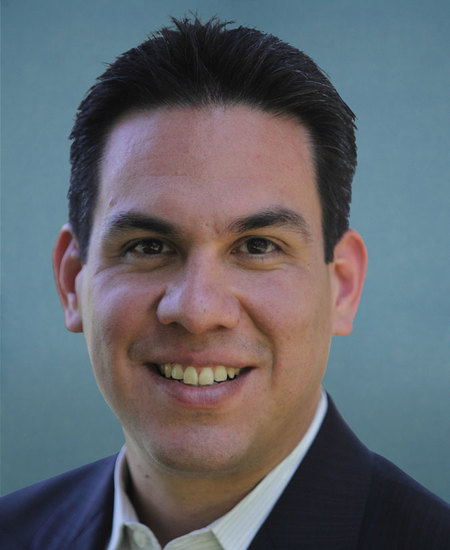
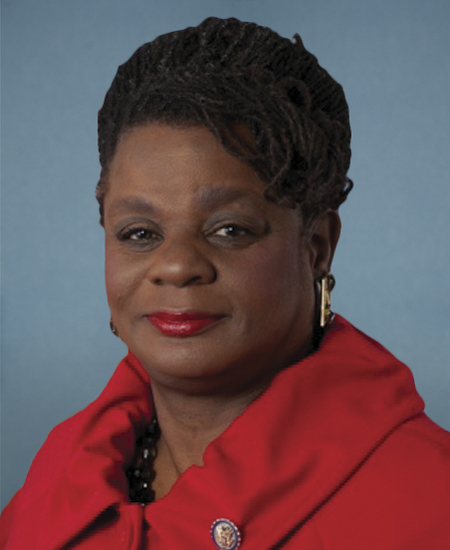
- Sponsorship: Large list of co-sponsors, indicating broad legislative support across multiple districts and caucuses.
Potential Impacts and Considerations
- Access and nutrition: Universal free meals could increase participation in school meal programs, potentially improving student nutrition, concentration, and academic performance.
- Fiscal implications: The bill would necessitate federal funding to cover the cost of meals for all students, with implications for the federal budget, state and local matching requirements, and administrative costs.
- Market implications: Possible effects on school cafeterias, food service contractors, procurement, and inventory management due to universal access.
- Equity considerations: Removes the stigma and administrative hurdles associated with free/reduced-price meal eligibility, promoting uniform access.
Summary
HR 8798 seeks to convert school meals into a universal benefit by making both breakfast and lunch free for all students under the federal child nutrition framework, with amendments to the Child Nutrition Act of 1966 and the National School Lunch Act. It envisions substantial administrative and funding changes to support universal meal provision, affecting students, school districts, and federal program administrators. The bill has broad sponsorship and has been assigned to multiple standing committees for consideration of relevant provisions.





Start the Conversation
Be the first to share your thoughts on this petition. Your voice matters!