

WeVote

Bill

Bill

HR 9303

To amend subtitle B of title IV of the McKinney-Vento Homelessness Assistance Act to establish supplemental severe weather emergency solutions grants, and for other purposes.

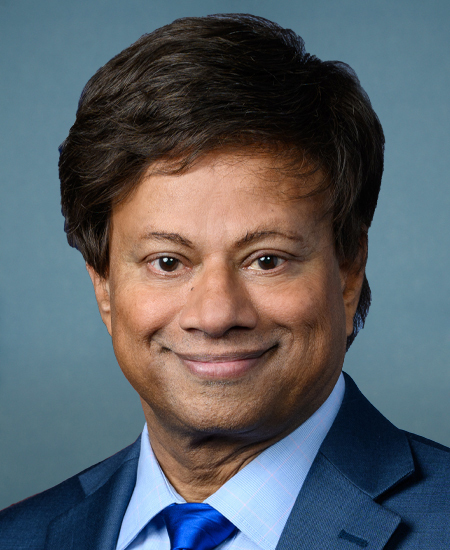
119th Congress Introduced by Shri Thanedar

Creates a new Supplemental Severe Weather Emergency Solutions Grants under McKinney-Vento to fund emergency shelter, rapid rehousing, and related homelessness services during sever

Introduced in House
0
WeVote Research Nonpartisan
Bill Summary · HR 9303

Summary of HR 9303 (119th Congress)

Purpose and intent

HR 9303 seeks to amend subtitle B of title IV of the McKinney-Vento Homeless Assistance Act to establish a new program of Supplemental Severe Weather Emergency Solutions Grants. The bill is intended to expand federal support for addressing housing instability and emergency needs in the context of severe weather events, enhancing resources available to communities serving individuals and families experiencing homelessness or at risk of homelessness during extreme weather conditions.

Key provisions and changes

  • Establishment of grants: Creates a new grant program titled Supplemental Severe Weather Emergency Solutions Grants (the exact statutory name may be defined in the text). The purpose is to provide supplemental funding to respond to severe weather emergencies that affect housing stability and homelessness services.
  • Authority and administration: The grants would be administered under the framework of the McKinney-Vento Act, specifically within subtitle B of title IV. This places the program under federal coordination for homelessness assistance.
  • Scope of use: Funds are intended to support measures related to severe weather response, which may include:
    • Emergency shelter capacity and operations
    • Temporary housing and rapid rehousing in the aftermath of severe weather
    • Weather-related relocation or surge capacity for homeless services
    • Outreach, case management, and coordination with local shelters and service providers during and after severe weather events
  • Funding and appropriations (potential details): The bill would specify authorization of appropriations or funding levels (e.g., annual appropriations, minimums/maximums, or formulas) to support the grants. The exact dollar amounts and duration would be defined in the text.
  • Eligible entities: Likely includes state and local governments, Indian tribes or tribal organizations, nonprofit organizations, and public housing authorities that operate homelessness services, consistent with McKinney-Vento grant eligibility.
  • Reporting and accountability: Provisions typically include reporting requirements to track use of funds, program outcomes, and compliance with federal requirements. There may be performance metrics related to the effectiveness of severe weather interventions.
  • Coordination requirements: Emphasis on coordination with local emergency management, weather alerts systems, and community partners to ensure rapid deployment of resources during severe weather events.

Who would be affected

  • Direct beneficiaries: Individuals and families experiencing homelessness or at risk of homelessness who are impacted by severe weather events (e.g., hurricanes, blizzards, heat waves, floods) and access to emergency shelter, housing solutions, and support services.
  • Grant recipients: State and local governments, tribal entities, nonprofit providers, and public housing authorities that administer homeless services and related emergency response programs under the McKinney-Vento Act.
  • Service providers: Local shelters, emergency housing providers, case management agencies, and organizations involved in rapid rehousing and shelter operations during weather emergencies.

Procedural and timeline aspects

  • Introduced and referred: The bill was introduced in the House and referred to the House Committee on Financial Services (as of June 11, 2026). This signals initial committee consideration, potential testimony, and potential markup.
  • Sponsor: Co-sponsored by Shri Thanedar, indicating bipartisan or regional support; further sponsors may appear as the bill progresses.
  • Next steps in process: If advanced by the Committee on Financial Services, the bill would proceed to full House consideration, potential amendments, and floor votes. It would then need to pass the Senate (and be reconciled with any companion legislation) and be signed by the President to become law.

Notes

  • The summary reflects the bill’s stated aim to supplement existing McKinney-Vento authorities with a dedicated grants program focused on severe weather emergencies. Specific program mechanics, funding levels, eligible uses, and reporting requirements will be detailed in the bill text and any accompanying committee reports.

Compiled from official sources — confirm details with the bill’s official record.

Sign in to ask a question.