

WeVote

Bill

Bill

HR 10009

To amend section 3282 of title 18 to extend the statute of limitations for bribery or theft offenses concerning public officials or federal funds, and other purposes.

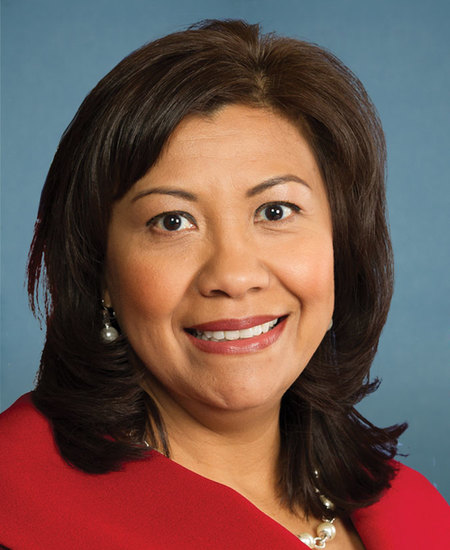
119th Congress Introduced by Norma Torres

Extends the statute of limitations for federal bribery and theft offenses involving public officials or misused federal funds to broaden prosecutors’ time to file charges.

Introduced in House
0
WeVote Research Nonpartisan
Bill Summary · HR 10009

Summary of HR 10009 (119th Congress)

Purpose and intent

HR 10009 seeks to amend section 3282 of title 18 to extend the statute of limitations for certain offenses involving bribery or theft when these crimes pertain to public officials or to the use or misappropriation of federal funds. The bill aims to provide prosecutors with a longer window to bring charges in cases where corruption or theft related to federal funds or public officials is involved, thereby enhancing accountability for misconduct affecting federal programs and resources.

Key provisions and changes

  • Statute of limitations extension: The central change is to extend the time period within which federal offenses involving bribery or theft concerning public officials or federal funds can be prosecuted. The exact duration of the extension is not specified in the provided summary, but the bill explicitly modifies the existing limitations period in 18 U.S.C. § 3282.
  • Scope of offenses: The extension applies to bribery and theft offenses connected to public officials or to the diversion, misappropriation, or appropriation of federal funds.
  • Cross-references: The bill maintains alignment with existing 18 U.S.C. procedural framework and would implement the extension by amending the statutory text of § 3282, which governs the statute of limitations for most offenses.

Who or what would be affected

  • Federal prosecutors and agencies: Particularly those handling cases involving public officials and federal funds, including investigations of bribery, corruption, and theft tied to federal programs.
  • Public officials and individuals involved in bribery/theft schemes: While the extension does not create new offenses, it provides a longer period during which charges can be filed for relevant crimes.
  • Federal programs and funds: Programs vulnerable to misappropriation or bribery (e.g., social programs, grants, contractors receiving federal dollars) could see increased enforcement opportunities.

Procedural and timeline aspects

  • Introduction and referral: The bill was introduced in the House and referred to the House Judiciary Committee on July 30, 2026.
  • Sponsor information: Co-sponsored by Rep. Norma Torres.
  • Process moving forward: As a committee-referred measure, it would require committee consideration, potential amendment, and floor action in the House. If passed by the House, it would move to the Senate for consideration and potential passage, followed by any necessary reconciliations with the companion Senate bill (if any) and presidential action.

Practical implications

  • If enacted, prosecutors would have a longer statutory horizon to pursue charges in complex corruption and theft cases involving federal funds, potentially improving the ability to deter and punish long-running schemes.
  • Could affect defense strategies by altering the period in which charges can be brought, influencing timing of investigations and disclosures.

Note: The summary is based on the bill’s title, action history, and sponsor information. The precise extension period (e.g., additional years) and any nuanced applicability conditions would be defined in the full legislative text of the amendment to 18 U.S.C. § 3282.

Compiled from official sources — confirm details with the bill’s official record.

Sign in to ask a question.