

WeVote

Bill

Bill

HR 8914

No Taxpayer-Funded Settlement Slush Funds Act of 2026

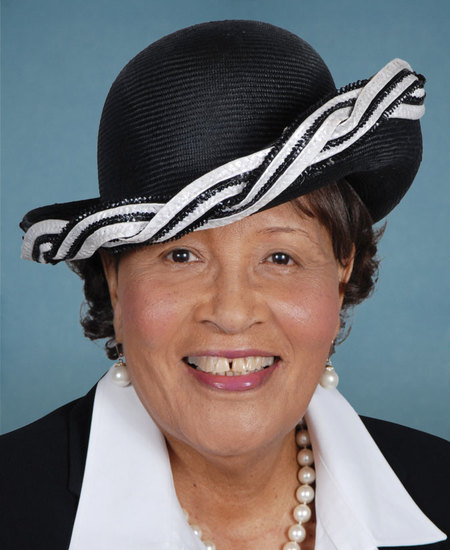
119th Congress Introduced by Alma Adams and 100 co-sponsors

The bill tightens how federal settlements or awards under 31 U.S.C. § 1304 are paid, increasing oversight, controls, and transparency.

Introduced in House
0
WeVote Research Nonpartisan
Bill Summary · HR 8914

Overview

HR 8914 (Session 119) proposes amendments to 31 U.S.C. § 1304 to restrict payments related to compromise settlements or awards. The bill is currently referred to the House Committee on the Judiciary (introduced and referred on 2026-05-20). A large group of cosponsors from both parties (primarily Democrats, with broad membership) are listed.

Purpose and intent

  • Primary aim: Modify the legal framework governing federal payments to restrict how compromise settlements or awards are paid, with a focus on limiting or controlling disbursements in compromise settlements or awards.
  • The precise statutory change centers on Section 1304 of Title 31 of the United States Code, which deals with the disposition of assets and the settlement of claims against the United States. The bill would adjust authorization, procedures, or allowable channels for such payments to tighten oversight and/or conditions.

Key provisions and changes (as inferred from the bill title and typical §1304 scope)

Note: The summary reflects what the bill is described to address based on its title and jurisdiction. The exact text would specify the precise amendments, but the following captures the likely substantive areas:

  • Restrictions on payment methods: The bill would limit or specify acceptable methods and channels for disbursements related to compromise settlements or awards to ensure proper authorization and traceability.
  • Oversight and accountability: Additional supervisory requirements or reporting obligations for agencies making such payments, enhancing transparency.
  • Preconditions for payment: Possible prerequisites or conditions before settlements/awards can be paid (e.g., verification, matching funds, or conformance with internal controls).
  • Compliance framework: Establishment or reinforcement of internal controls, audits, or reconciliation processes to prevent improper payments.
  • Potential carve-outs or definitions: Clarifications around what constitutes a “compromise settlement” or “award,” and definitions for related terms to avoid ambiguity.

Who would be affected

  • Federal agencies and departments that process compromise settlements or awards under 31 U.S.C. § 1304.
  • Financial management and compliance offices within those agencies responsible for approving and issuing payments.
  • Entities receiving settlements or awards (contractors, whistleblowers, claimants, or other recipients), insofar as their payments would be subject to the clarified procedures.
  • Oversight bodies (e.g., the Department of the Treasury and inspector general offices) tasked with monitoring compliance.

Procedural and timeline aspects

  • Introduction: May 20, 2026.
  • Referral: Referred to the House Committee on the Judiciary on May 20, 2026.
  • Next steps (typical): Committee consideration, potential markup, and floor consideration. If reported favorably, the bill would proceed to the full House for debate and a vote, and, if passed, move to the Senate for consideration (subject to the standard legislative process).

Potential impact and considerations

  • Financial controls: Expected enhancement of control over payments related to settlements and awards, reducing risk of improper or misdirected disbursements.
  • Compliance burden: May introduce additional steps or documentation requirements for agencies and recipients, potentially slowing payment processing.
  • Budgetary implications: Could affect timing and recognition of outlays tied to settlements/awards; agencies may need to adjust internal processes and systems.
  • Transparency and integrity: Aims to improve accountability and reduce fraud, waste, and abuse in settlement/award disbursements.

Note

The summary above is based on the bill’s title and known jurisdiction. For precise provisions, language, and exact effects, please refer to the bill’s text and any committee analyses or fiscal notes once published.

Compiled from official sources — confirm details with the bill’s official record.

Sign in to ask a question.