

WeVote

Bill

Bill

HR 9991

To amend section 102 of the Revised Statutes of the United States to provide that a person who refuses to answer certain questions or is finally convicted of perjury before either House of Congress shall be debarred from Federal employment, and for other purposes.

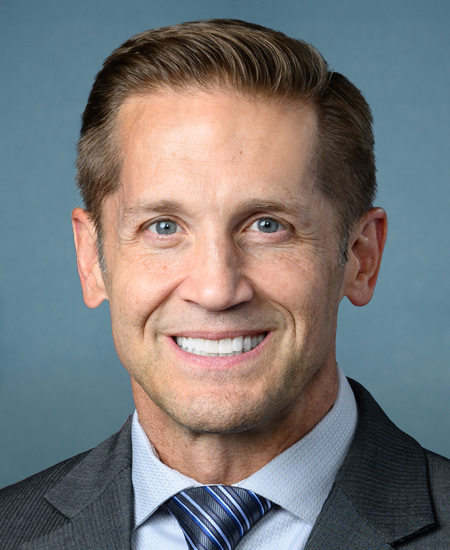
119th Congress Introduced by Rich McCormick

The bill bars any person who refuses to answer certain congressional questions or is finally convicted of perjury from federal employment.

Introduced in House
0
WeVote Research Nonpartisan
Bill Summary · HR 9991

Summary of HR 9991 (119th Congress)

Purpose and intent

  • The bill aims to amend section 102 of the Revised Statutes of the United States.
  • The central objective is to establish a rule that a person who either refuses to answer certain questions or is finally convicted of perjury before either House of Congress shall be debarred from Federal employment.
  • In other words, it seeks to link parliamentary testimony behavior and perjury findings to eligibility for federal government jobs.

Key provisions and changes

  • Amendments to Section 102: The bill would modify the statutory framework governing eligibility requirements for federal employment.
  • Refusal to answer certain questions: Individuals who refuse to answer specified questions in the context of congressional proceedings would face debarment from federal employment.
  • Perjury conviction: Anyone who is finally convicted of perjury before either House of Congress would be barred from federal employment, expanding consequences for lying under oath in Congress to the realm of employment eligibility.
  • Scope of “federal employment”: The debarment would apply to positions within the federal government, though the bill’s text would determine exact categories (e.g., civil service, certain appointed roles) once implemented.

Who is affected

  • Potential Federal Employees: Individuals seeking federal employment who either refuse to answer specified congressional questions or are convicted of perjury before Congress.
  • Current Federal Employees: If the bill includes retroactive provisions (not specified in the provided summary), it could affect ongoing employment or eligibility determinations; otherwise, it primarily targets hiring.
  • Congress and Federal Agencies: Administration and enforcement would involve congressional committees and relevant federal agencies responsible for employment determinations.

Procedural and timeline aspects

  • Introduction and referrals: The bill was introduced in the House and referred to the Committee on the Judiciary, with additional referrals to the Committee on Oversight and Government Reform, and the Committee on Rules for a period to be determined by the Speaker.
  • Sponsorship: The bill lists Rich McCormick as a co-sponsor, indicating bipartisan or cross-party interest.
  • Next steps common to such bills: Committee hearings and markup to draft amendments, followed by potential floor consideration, debates, and votes. If passed, it would move to the Senate (and similarly face committee action) and ultimately possible reconciliation and signature by the President or veto considerations.

Potential implications and considerations

  • Civil liberties and due process: The bill raises questions about compelled testimony, the scope of questions allowed by Congress, and the balance with privacy and due process protections.
  • Administrative implementation: agencies would need criteria to determine when “refusal to answer certain questions” has occurred and how perjury findings are established and verified for debarment purposes.
  • Labor and workforce dynamics: The changes could influence hiring practices, personnel policy, and retention within federal agencies, depending on how broad or narrow the definitions are in practice.
  • Enforcement and remedies: The bill would define enforcement mechanisms, timelines for appeals or waivers (if any), and how debarment interacts with existing personnel rules and appeals processes.

If you’d like, I can tailor this to a specific audience (e.g., public readers, legal professionals, or government employees) or pull out exact language once available.

Compiled from official sources — confirm details with the bill’s official record.

Sign in to ask a question.