

WeVote

Bill

Bill

HR 1630

To allow States to elect to observe year-round daylight saving time, and for other purposes.

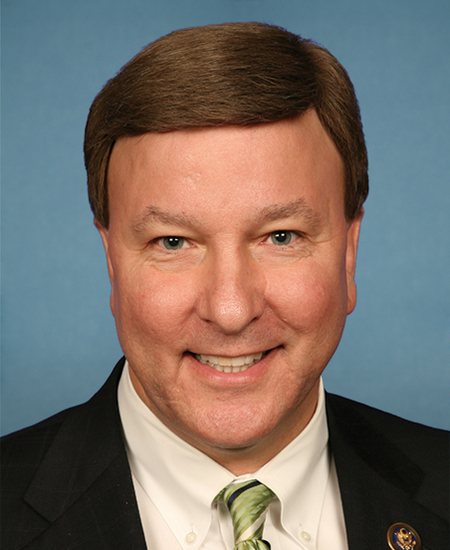
119th Congress Introduced by Mike Rogers

HR 1630 allows states to choose year-round daylight saving time, aiming to boost economic activity, reduce energy use, and enhance public health through more daylight.

Introduced in House
1
WeVote Research Nonpartisan
Bill Summary · HR 1630

Summary of HR 1630: Year-Round Daylight Saving Time

Bill Overview

Bill Number: HR 1630
Title: To allow States to elect to observe year-round daylight saving time, and for other purposes.
Status: Introduced in House
Introduced Date: February 26, 2025
Primary Sponsor: Mike Rogers

Purpose and Intent

The primary purpose of HR 1630 is to amend the Uniform Time Act of 1966, allowing states the option to observe daylight saving time (DST) year-round. This bill aims to provide states with greater flexibility in determining their time observance, potentially enhancing economic activity, reducing energy consumption, and improving public health by maximizing daylight hours.

Key Provisions

The bill proposes several amendments to Section 3(a) of the Uniform Time Act of 1966:

  1. Year-Round DST Option: States may choose to apply the advancement of time (daylight saving time) for the entire year.

  2. Standard Time Adjustment: The bill removes the requirement for states to revert to standard time, allowing them to maintain the same standard time throughout the year.

  3. Statewide Application: States can apply the year-round DST option to the entire state or specific areas within any time zone, providing flexibility in implementation.

  4. Legislative Authority: The bill clarifies that states have the authority to enact laws regarding the observance of time, including the option to adopt year-round DST.

Impact

Who Would Be Affected

  • States: Each state will have the authority to decide whether to adopt year-round DST, impacting all residents and businesses within those states.
  • Businesses: Retailers and service industries may benefit from extended daylight hours, potentially increasing consumer activity.
  • Public Health: Proponents argue that more daylight in the evenings could lead to increased outdoor activities and improved mental health.

Potential Challenges

  • Interstate Coordination: States that choose different time observances may create confusion for travel, commerce, and communication.
  • Public Opinion: The bill may face varying levels of support from the public, with some favoring year-round DST and others preferring the traditional time changes.

Legislative Process

  • Committee Referral: The bill was referred to the House Committee on Energy and Commerce on the same day it was introduced.
  • Next Steps: The bill will undergo review and discussion within the committee before potentially moving to the House floor for a vote.

Related Legislation

  • HR 300: This bill is noted as a companion bill, suggesting that there may be parallel efforts to address similar issues regarding time observance.

Conclusion

HR 1630 represents a significant shift in how states can manage time observance, offering the potential for year-round daylight saving time. As the bill progresses through the legislative process, it will be essential to monitor discussions and public sentiment surrounding this change.

Compiled from official sources — confirm details with the bill’s official record.

Sign in to ask a question.