Summary of HR 9270 (119th Congress)
Purpose and Intent
- HR 9270 aims to address the enforcement of U.S. immigration laws specifically in relation to unaccompanied minors. The bill seeks to clarify or adjust how unaccompanied children are treated within the immigration enforcement framework, with a focus on enforcement procedures and outcomes for this population.
Key Provisions and Changes (as described by the bill's title and typical reform language)
- The bill centers on the enforcement of immigration laws concerning unaccompanied minors, potentially affecting:
- Detention or placement decisions for unaccompanied minors encountered by immigration authorities.
- Procedures for identifying, vetting, and processing unaccompanied children in the custody or care of federal agencies.
- Coordination between immigration enforcement agencies and child welfare or humanitarian protection frameworks.
- While the exact text of provisions is not provided here, typical provisions in this domain could include:
- Requirements for timely placement or release decisions for unaccompanied minors.
- Protections to ensure the safety and well-being of unaccompanied minors during processing.
- Guidance on repatriation, asylum, or other relief options for minors, including expedited procedures or reporting mechanisms.
- Oversight and accountability measures for agencies implementing these procedures.
Who Would Be Affected
- Unaccompanied minors encountered by U.S. immigration authorities (e.g., Customs and Border Protection, U.S. Immigration and Customs Enforcement).
- Federal agencies involved in immigrant child processing, detention, care, and release decisions.
- Potentially, state and local partners involved in sheltering, foster care, or guardianship arrangements for unaccompanied minors as part of interagency collaboration.
Procedural and Timeline Aspects
- The bill was introduced and referred to committee on June 11, 2026.
- Referred to the House Judiciary Committee and, in addition, to the Committee on Armed Services for a period determined by the Speaker, indicating potential cross-cutting issues that may involve national security or defense perspectives.
- Committee consideration will determine the specific provisions that move forward, timelines for hearings, and potential amendments.
- As an introductory measure, the bill will undergo standard legislative processing, including potential markups, debate, and votes in committee and on the floor, before any potential conference with the Senate.
Sponsorship and Support
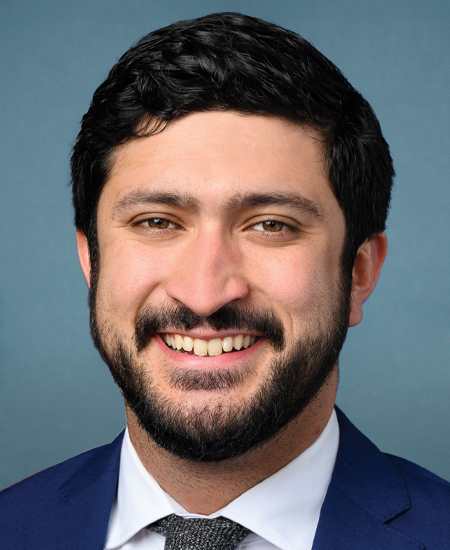
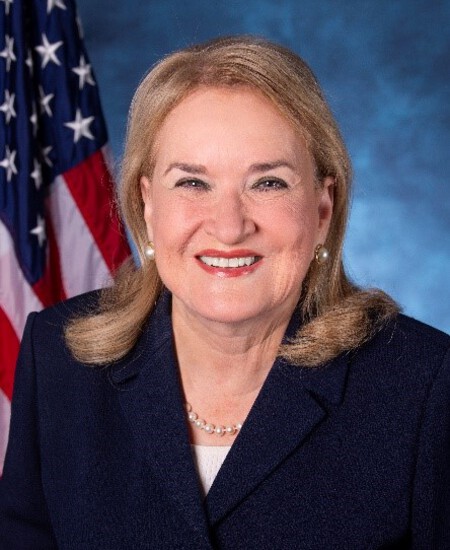
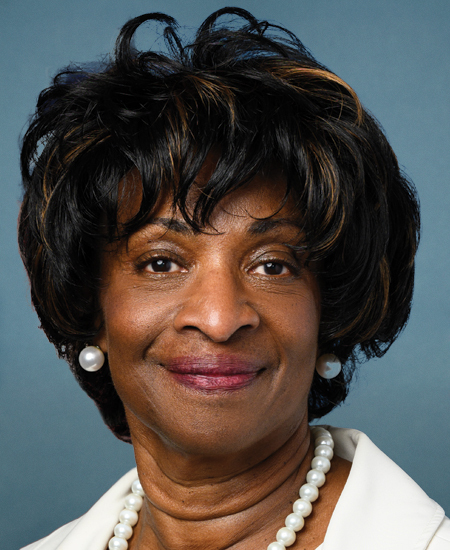
- Primary and co-sponsors include a broad group of House members, indicating substantial partisan interest in immigration enforcement policy as it relates to unaccompanied minors.
- Notable co-sponsors include representatives with a focus on humanitarian, civil rights, and child welfare concerns, suggesting a balance of enforcement and protection-oriented perspectives.
Potential Impacts and Considerations
- Aimed at providing clearer guidelines or reforms for how unaccompanied minors are treated within the immigration system, potentially improving processing timelines, protections, and interagency coordination.
- Could affect detention duration, custody arrangements, and pathways to release or relief for minors.
- May influence federal spending related to processing, detention, guardianship, or related child welfare services.
- The involvement of the Armed Services Committee hints at considerations of national security, border management, or deployment of resources in enforcement operations.
If you’d like, I can tailor this summary to emphasize specific elements (e.g., procedural timelines, funding implications, or interagency coordination) once the bill text or more detailed summaries are available.




Start the Conversation
Be the first to share your thoughts on this petition. Your voice matters!