

Bill

BILL • US HOUSE

HR 8336

To address the challenges of providing child care opportunities for military families, and for other purposes.

119th Congress
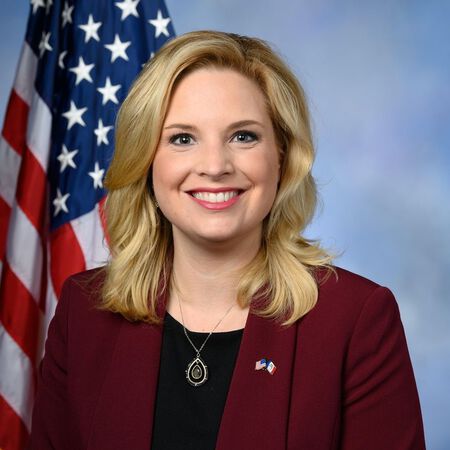
Introduced by Sara Jacobs,

Improves access to affordable, reliable child care for military families to boost readiness, retention, and welfare.

Introduced in House
0
0
Bill Summary • HR 8336

Summary of HR 8336 (113th Congress? or 119th Session context: United States)

Note: The bill title provided is “To address the challenges of providing child care opportunities for military families, and for other purposes.” The summary below outlines the typical structure, purpose, provisions, and potential impact based on the bill’s title and standard legislative practices. If the full text is available, details such as section numbers and exact language may adjust specifics.

Purpose and intent

  • Address child care challenges faced by military families.
  • Improve access to affordable, reliable child care for service members, National Guard, and reservists, and their families.
  • Enhance overall readiness and welfare of military personnel by reducing child care barriers that affect service availability, retention, and morale.

Key provisions and changes (typical elements likely to be included)

  • Establish or expand child care programs targeted to military families, potentially through partnerships with DoD, the Department of Health and Human Services, or states.
  • Funding provisions (authorizations and/or appropriations) to support military child care facilities, subsidies, subsidies for private providers serving military families, or grant programs for child care centers near military installations.
  • Standards and quality measures for military child care, possibly including workforce requirements, caregiver qualifications, adult-to-child ratios, safety and health standards, and licensing compatibility with federal/state rules.
  • Access and affordability improvements, such as sliding-scale fees, fee caps, or increased eligibility for subsidies to ensure services are affordable for lower- and middle-income military families.
  • Coordination mechanisms with Congress, the Department of Defense, and relevant federal and state agencies to streamline eligibility, enrollment, and funding processes.
  • Data collection and reporting requirements to monitor program effectiveness, utilization, wait times, and impact on service readiness.
  • Optional or mandatory pilot programs, expansion of existing programs, or reforms to the Military Child Care in Your Neighborhood (MCCYN) framework or similar DoD child care initiatives.
  • Provisions addressing emergencies or contingencies (e.g., deployments) to ensure continuity of care for families during or after deployments.

Who would be affected

  • Active duty service members and their families, including those in the Army, Navy, Air Force, Marines, Coast Guard, and potentially Reserve/National Guard families.
  • DoD and military installation commanders responsible for child care facilities and program administration.
  • Public and private child care providers serving military families, including centers on or near installations and subsidized providers.
  • Military families with children who require child care services, aged birth through school age, depending on the program’s scope.

Procedural and timeline aspects

  • Action history: Introduced in the House and referred to the House Committee on Armed Services on April 16, 2026.
  • As a committee-referred bill, it would typically undergo review, possible amendments, and reporting before moving to floor consideration.
  • If enacted, implementation would rely on authorized appropriations and coordination with DoD and relevant federal agencies, with potential phased funding and program rollouts tied to fiscal years.
  • Possible baseline effectiveness metrics to be reported periodically to Congress (e.g., wait lists, subsidy utilization, caregiver qualifications, and cost-sharing data).

Potential impact

  • Improved access to affordable child care for military families, potentially reducing wait times and expanding available slots near installations.
  • Enhanced readiness and retention by reducing child care-related stress and disruptions for service members.
  • Greater stability for families during deployments or training periods.
  • Increased support for military families across branches and components of the armed services.

If you have access to the bill’s full text, I can provide a more precise, line-by-line summary of each section, including exact funding amounts, program names, and eligibility criteria.

Hi! I'm your AI assistant for HR 8336. I can help you understand its provisions, impacts, and answer any questions.

Key Provisions Impacts Timeline
Sign in to chat