

WeVote

Bill

Bill

S 2549

Time Off to Vote Act

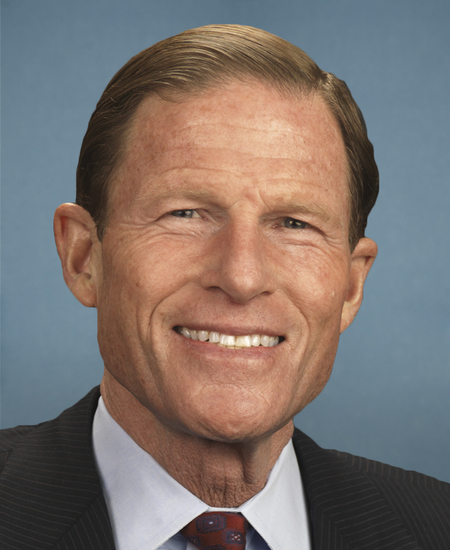
119th Congress Introduced by Richard Blumenthal and 16 co-sponsors

Bill S 2549 mandates that parole boards and hearing officers reflect local demographics, enhancing community representation and trust in the parole process.

Introduced in Senate
0
WeVote Research Nonpartisan
Bill Summary · S 2549

Summary of Bill S 2549

Bill Number: S 2549
Title: Requires the members of the state board of parole, and parole hearing officers to be composed of a proportionate share of residents
Status: Referred to Crime Victims, Crime and Correction
Introduced: January 21, 2025
Classification: Bill

Purpose and Intent

Bill S 2549 aims to ensure that the composition of the state board of parole and the parole hearing officers reflects the demographic makeup of the community they serve. The intent is to enhance the fairness and representation in the parole process, thereby fostering greater trust and accountability within the criminal justice system.

Key Provisions

  • Composition Requirements:
    The bill mandates that the members of the state board of parole and parole hearing officers must include a proportionate share of residents from the local community. This is intended to ensure that the perspectives and experiences of local residents are adequately represented in parole decisions.

  • Demographic Representation:
    The bill does not specify exact percentages but emphasizes that the composition should mirror the demographic diversity of the community, including factors such as race, ethnicity, and socioeconomic status.

Impact

  • Affected Parties:

    • Parole Board Members: Current and future members of the state board of parole will be subject to new composition requirements.
    • Parole Hearing Officers: The bill will also affect the hiring and appointment processes for parole hearing officers.
    • Communities: Local communities will benefit from having their voices and experiences represented in parole decisions, potentially leading to more equitable outcomes.
  • Potential Outcomes:
    The bill could lead to increased public confidence in the parole system, as community members may feel more represented in the decision-making processes that affect their neighborhoods. It may also encourage a more nuanced understanding of the factors influencing parole decisions.

Procedural Aspects

  • Legislative Action:
    The bill was introduced on January 21, 2025, and has been referred to the Committee on Crime Victims, Crime and Correction for further consideration.

  • Related Legislation:
    This bill is related to several prior-session bills (A 6500, A 4697, A 3211, A 3521, A 4106, A 244, S 3148, S 289, S 2400) and has a companion bill (A 7151), indicating ongoing legislative interest in the reform of parole processes.

Conclusion

Bill S 2549 represents a significant step toward enhancing community representation in the parole system. By requiring that parole boards and hearing officers reflect the demographics of the communities they serve, the bill seeks to promote fairness and accountability in the criminal justice process. The bill is currently under review by the relevant legislative committee, and its progress will be closely monitored by stakeholders in the criminal justice system and the communities affected.

Compiled from official sources — confirm details with the bill’s official record.

Sign in to ask a question.