

WeVote

Bill

Bill

HR 7972

Taxpayer Workforce Modernization Act

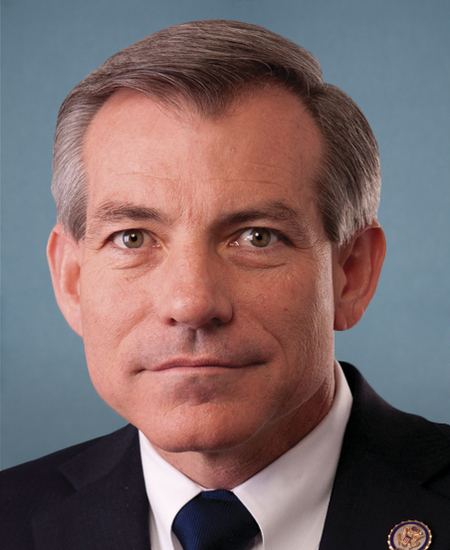
119th Congress Introduced by David Schweikert

Establish a IRS data science fellowship to apply advanced analytics and AI to tax administration, improving audit selection, evasion detection, and compliance.

Committee Consideration and Mark-up Session Held
0
WeVote Research Nonpartisan
Bill Summary · HR 7972

Overview

  • Bill: HR 7972, Taxpayer Workforce Modernization Act
  • Session: 119th Congress, introduced March 18, 2026 by Rep. Schweikert (Co-sponsor: Rep. Schweikert)
  • Purpose: Require the Internal Revenue Service (IRS) to establish a fellowship program to recruit qualified data scientists to partner with tax law specialists, with the goal of improving core tax administration activities through advanced analytics and data-driven methods.

Main Purpose and Intent

  • Create a dedicated IRS fellowship to bring in private-sector data scientists to work on complex and emerging tax issues.
  • Form a cross-functional task force within IRS to apply data science to tax administration, including audit case selection, offshore evasion detection, and taxpayer services.
  • Build institutional capability in data analytics, modeling, and AI-driven approaches to enhance enforcement and compliance efforts.

Key Provisions

  • Establishment and Timing
    • By September 30, 2026, the IRS Commissioner must establish the fellowship program, in consultation with the IRS Chief Counsel and Chief Data Officer.
  • Objectives
    • Target the most complex or emerging tax issues.
    • Recruit and retain high-quality data science and tax professionals.
  • Recruitment and Advertisement
    • The Commissioner must advertise the program to attract qualified data scientists and appropriate tax professionals.
  • Structure and Terms
    • At least 10 fellows, depending on needs.
    • Fellows serve for 2, 3, or 4 years, with possible 1-year extensions (unlimited number of extensions allowed).
    • Vacancies filled promptly to maintain at least 5 fellows.
    • The Commissioner may permanently hire a fellow at the end of the term.
  • Task Force (Integrated Team)
    • Establish a task force within IRS and the Office of Chief Counsel, including fellows and permanent IRS staff.
    • Roles include:
    • Develop/test data-driven methods for audit case selection.
    • Educate staff on data analytics, models, and techniques.
    • Support audits through advanced data analysis, transaction testing, and modeling.
    • Address offshore evasion and FATCA-related issues via data integration, anomaly detection, and network analysis.
    • Mentor/train junior IRS employees in analytics tools and risk identification.
    • Review and identify new or improved AI/data analytics use cases in tax administration.
    • Provide data-driven recommendations to improve audit effectiveness and reduce improper payments.
  • Compensation
    • Fellows’ pay set by the Secretary of the Treasury (or delegate), with a minimum equal to GS-15 pay and not exceeding annual compensation limits defined in 3 U.S.C. § 102.
  • Administration
    • A lead program officer may be appointed to administer and advertise the program.
  • Accountability and Reporting
    • Annual (starting one year after the first fellowship) and ongoing reports to Congress on:
    • Program effects and return on investment (costs, benefits, revenue impacts, and operational improvements).
    • Total number of applicants and recommendations for program changes.
  • Regulations
    • The Commissioner, with Treasury approval, may issue rules/regulations for program administration.
  • Definitions
    • “Qualified data scientist” means a professional with demonstrated skills in advanced analytics, modeling, or machine learning in complex regulatory or financial environments, working alongside tax experts.

Who is Affected

  • Internal Revenue Service, including national and regional offices.
  • IRS Chief Counsel and Chief Data Officer (consultation role in implementation).
  • Tax professionals and data scientists in the private sector who could be recruited as fellows.
  • Taxpayers benefit indirectly through improved audit efficiency, better data quality, and enhanced service.

Timeline and Procedural Aspects

  • The program must be established by September 30, 2026.
  • First fellowship awarded triggers the start of the task force formation.
  • Annual reporting to Congress begins within one year of the first fellowship and continues thereafter.
  • The bill provides a framework for ongoing extensions and potential permanent hiring of fellows.

Potential Impact

  • Strengthens IRS capabilities in data analytics, AI, and cross-cutting data integration for enforcement and compliance.
  • Aims to improve audit selection, detect evasion more effectively, and reduce improper payments.
  • Introduces a structured pipeline for attracting top data-science talent to federal tax administration.
  • Requires ongoing evaluation of ROI and program effectiveness to guide future policy.

Compiled from official sources — confirm details with the bill’s official record.

Sign in to ask a question.