

WeVote

Bill

Bill

HR 2671

Tax Fairness for Workers Act

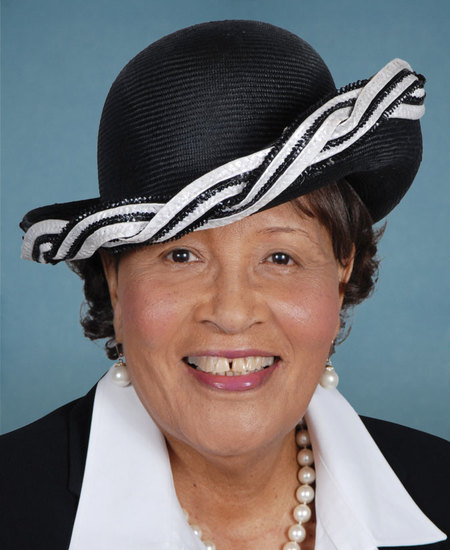
119th Congress Introduced by Alma Adams and 168 co-sponsors

The Tax Fairness for Workers Act allows workers to deduct union dues and unreimbursed job expenses, reducing their tax burden and providing needed financial relief.

Introduced in House
0
WeVote Research Nonpartisan
Bill Summary · HR 2671

Tax Fairness for Workers Act (H.R. 2671)

Summary

The Tax Fairness for Workers Act is a bill introduced in the U.S. House of Representatives in April 2025. The main purpose of the bill is to provide tax relief and fairness for workers by:

  1. Allowing workers an above-the-line tax deduction for union dues and expenses.
  2. Restoring the ability for workers to claim a miscellaneous itemized deduction for unreimbursed expenses related to their employment.

Key Provisions

Union Dues and Expenses Deduction
- Amends the Internal Revenue Code to allow workers to deduct union dues and expenses "above-the-line" when calculating their adjusted gross income. This effectively treats these expenses as pre-tax, increasing workers' take-home pay.
- Removes the previous limitation that had prevented workers from fully deducting these expenses.

Miscellaneous Itemized Deduction for Employee Expenses
- Carves out an exception to the current restriction on miscellaneous itemized deductions, allowing workers to continue claiming a deduction for unreimbursed expenses related to their employment.
- This includes expenses like professional development, union fees, work supplies, and other costs of being an employee.
- Maintains the 2% of AGI threshold for these deductions.

Impact

The bill is intended to provide tax relief and fairness for workers, especially those who are members of labor unions or incur significant unreimbursed expenses as part of their jobs. By restoring key deductions, the legislation aims to reduce the tax burden on workers and make it easier for them to deduct necessary job-related costs.

The bill has bipartisan support, with over 100 cosponsors from both the Democratic and Republican parties. If enacted, the provisions would apply to tax years starting in 2025 and beyond.

Compiled from official sources — confirm details with the bill’s official record.

Sign in to ask a question.