

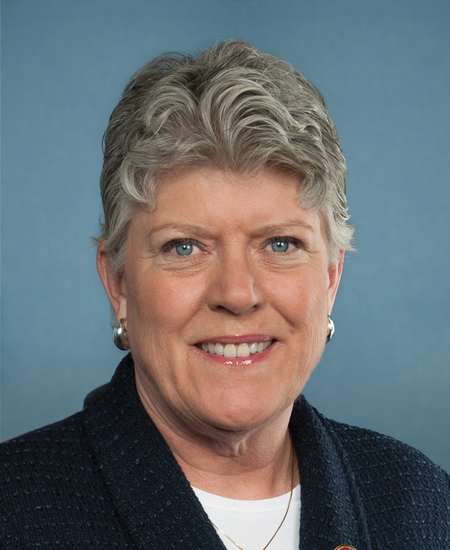
Bill

BILL • US HOUSE

HR 1594

Sustainable Aviation Fuel Act

119th Congress
Introduced by Julia Brownley, Brad Schneider,

Promotes and funds sustainable aviation fuels to cut aviation emissions; boosts SAF production and use, affecting airlines, fuel suppliers, airports, and government fleets.

Introduced in House
0
0
Bill Summary • HR 1594

Summary of House Bill HR 1594 – Sustainable Aviation Fuel Act

Overview

HR 1594, titled the Sustainable Aviation Fuel Act, is a bill introduced in the House on February 26, 2025. The title indicates a focus on promoting and facilitating the development and use of sustainable aviation fuels (SAF) as a means to reduce emissions from the aviation sector and support energy security and market resilience. The full text and specific policy provisions are not provided in the information available.

Status and Sponsorship

  • Introduced: February 26, 2025
  • Primary sponsor: Rep. Julia Brownley
  • Cosponsor: Rep. Bradley Scott Schneider
  • Initial referrals:
    • Subcommittee on Aviation
    • Committee on Energy and Commerce
    • Committees on Transportation and Infrastructure; Armed Services; Science, Space, and Technology; Ways and Means (for provisions within their jurisdiction)
    • Referral language notes that the committees are to consider provisions falling within their respective jurisdictions

What the bill covers (substantive provisions not disclosed)

The information provided does not include the bill’s text, specific provisions, funding levels, implementation timelines, or regulatory standards. Therefore, a precise description of the bill’s mandates, incentives, eligibility criteria, or affected programs cannot be given here.

Typical components to watch for in SAF-related legislation (not specific to HR 1594)

  • Incentives or subsidies for SAF production and distribution (tax credits, grants, loan programs)
  • Federal procurement or mandate requirements for SAF use in government fleets or aviation operations
  • Regulations or standards for SAF blending, lifecycle emissions accounting, or sustainability criteria
  • Funding for research, development, and deployment of SAF technologies
  • Reporting, reporting thresholds, and oversight mechanisms
  • Provisions affecting industry stakeholders (fuel producers, airlines, airports, and military use)

Procedural timeline and next steps

  • The bill has been referred to the Subcommittee on Aviation and to several authorizing/appropriations-related committees for jurisdictional consideration.
  • In typical legislative progress, if committees hold hearings and mark up the bill, it could advance to floor consideration in the House. Any version passed by the House would proceed to the Senate for consideration, where similar steps would occur.

Potential impact and who would be affected

  • SAF producers and suppliers: depending on eventual provisions, could see incentives, mandates, or standards affecting production and supply chains.
  • Airlines, airports, and aviation industry: potential impacts via fuel procurement requirements, incentives to adopt SAF, or reporting obligations.
  • Federal and military: possible involvement through procurement requirements, pilot programs, or research funding, given the multiple committees with jurisdiction.
  • Consumers and climate policy: potential contributions to emission reduction goals if SAF adoption scales up.

Key questions to monitor

  • What are the specific SAF policy instruments (incentives, mandates, or standards) included in the text?
  • What are the funding levels, if any, and the implementation timeline?
  • Which agencies are charged with oversight and enforcement, and how will compliance be measured?

Note: This summary is based solely on the provided bill metadata. The exact provisions and impacts will become clearer once the full legislative text is released and analyzed.

Hi! I'm your AI assistant for HR 1594. I can help you understand its provisions, impacts, and answer any questions.

Key Provisions Impacts Timeline
Sign in to chat