

WeVote

Bill

Bill

S 3914

Supreme Court Ethics and Investigations Act

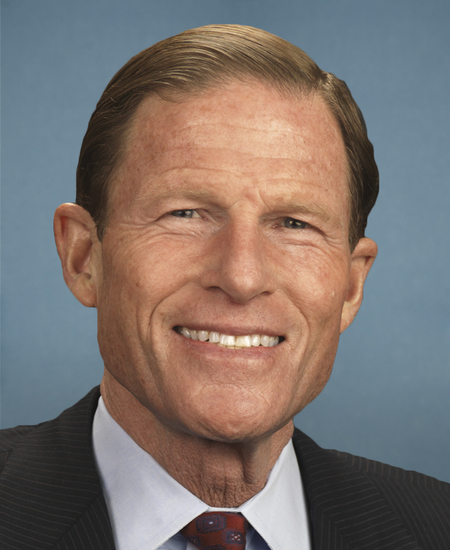
119th Congress Introduced by Richard Blumenthal and 5 co-sponsors

Creates enforceable ethics code and investigation process for Supreme Court justices, establishing standards currently required for all other federal judges.

Introduced in Senate
0
WeVote Research Nonpartisan
Bill Summary · S 3914

Legislative bill overview

S 3914 would establish an ethics code and investigation mechanism for Supreme Court justices, creating enforceable standards of conduct and a process for investigating alleged violations. The bill would apply conflict-of-interest rules, financial disclosure requirements, and recusal guidelines to the nation's highest court, which currently lacks binding ethics rules that apply to other federal judges.

Why is this important

The Supreme Court has faced increased public scrutiny over ethics concerns, including undisclosed luxury trips, financial relationships, and recusal decisions. This bill addresses a significant institutional gap: while all lower federal courts operate under the Code of Conduct for U.S. Judges, the Supreme Court has historically been exempt, relying instead on justices' individual judgment about their own ethical obligations.

Potential points of contention

  • Judicial independence concerns: Critics argue that external ethics enforcement mechanisms could infringe on judicial independence and the Court's constitutional role, particularly if investigations are overseen by Congress or an independent body
  • Enforcement mechanism ambiguity: Questions about who investigates, how enforcement is structured, and what penalties exist remain unclear without reviewing specific bill language, which could either strengthen or weaken its effectiveness
  • Partisan implications: Introduced by Democratic senators, opponents may argue this is a partisan response to conservative justices' conduct, while supporters contend ethics standards are neutral governance improvements applicable regardless of ideology

Compiled from official sources — confirm details with the bill’s official record.

Sign in to ask a question.