

WeVote

Bill

Bill

HRES 1163

Supporting the recognition of a "Day of Remembrance and Commitment to Maternal Health Equity", honoring the life of Kira Johnson, and commending 4Kira4Moms for its unwavering dedication to improving maternal health in Atlanta, throughout Georgia, and across the United States, and for other purposes.

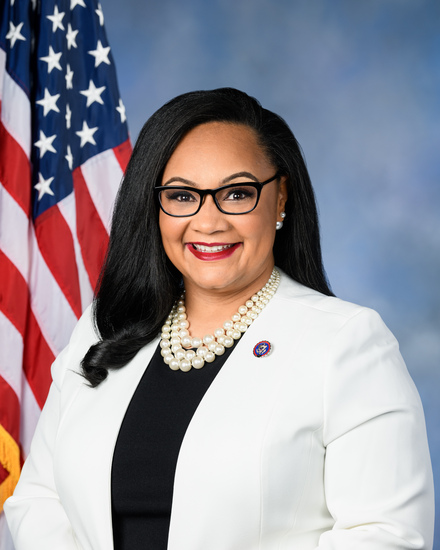
119th Congress Introduced by Nikema Williams

House resolution establishes a commemorative day honoring Kira Johnson and recognizing 4Kira4Moms' maternal health equity advocacy work without creating binding policy or funding.

Submitted in House
0
WeVote Research Nonpartisan
Bill Summary · HRES 1163

Legislative bill overview

HRES 1163 is a symbolic resolution that establishes a "Day of Remembrance and Commitment to Maternal Health Equity" to honor Kira Johnson and recognize the work of 4Kira4Moms, an advocacy organization focused on improving maternal health outcomes. The resolution commends the organization's efforts in Atlanta, Georgia, and nationally while drawing attention to maternal health disparities.

Why is this important

Maternal mortality and morbidity in the United States, particularly among Black women and other communities of color, represent significant public health challenges. Symbolic resolutions like this can elevate awareness of health equity issues and provide visibility to advocacy organizations working on these problems, though they do not directly authorize funding or mandate policy changes.

Potential points of contention

  • Limited practical impact: As a symbolic resolution, it does not create new programs, funding, or policy requirements—it is primarily ceremonial and may be viewed as performative rather than substantive action on maternal health.
  • Specificity to one organization: The bill specifically commends one organization, which raises questions about why this particular group receives congressional recognition and whether other maternal health advocacy organizations should be similarly honored.
  • Addressing root causes: Critics may argue that recognition alone does not address systemic barriers in healthcare access, provider training, implicit bias, or structural inequities that drive maternal health disparities.

Compiled from official sources — confirm details with the bill’s official record.

Sign in to ask a question.