

WeVote

Bill

Bill

S 4468

Supporting the Mental Health of Educators and Staff Act of 2026

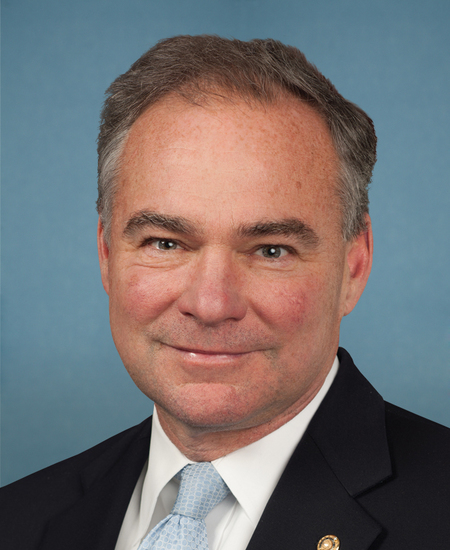
119th Congress Introduced by Tim Kaine and 3 co-sponsors

The bill funds and directs nationwide programs to improve educators’ mental health and resiliency, expand access to care (including telehealth), and reduce stigma.

Introduced in Senate
0
WeVote Research Nonpartisan
Bill Summary · S 4468

Overview

  • Bill: S. 4468, the Supporting the Mental Health of Educators and Staff Act of 2026
  • Session: 119th Congress (introduced April 30, 2026)
  • Principal sponsors: Tom Kaine (KAINE), Jeff Merkley, Angus King, Tim Kaine, Ron Wyden (co-sponsors)
  • Purpose: Address behavioral health, mental health, and resiliency among education professionals and other school staff; expand dissemination of best practices, education/awareness, and funding for programs to promote mental health and reduce stigma; improve coordination across federal agencies and track outcomes.

Main objectives and intent

  • Improve mental health and well-being of educators and school staff.
  • Prevent suicide and address risk factors for mental health and substance use disorders among education professionals.
  • Reduce stigma associated with seeking mental health care.
  • Build and disseminate evidence-based or evidence-informed practices for prevention, resiliency, and care.

Key provisions and changes

  1. Dissemination of Best Practices (Sec. 2)

    • Within 2 years of enactment, the Secretary of Health and Human Services, in consultation with the Secretary of Education, must identify and disseminate best practices for:
      • Preventing suicide and improving mental health/resiliency among education professionals and school staff.
      • Training such personnel in strategies to support and maintain their own mental health.
  2. Education and Awareness Initiative (Sec. 3)

    • Establish a national evidence-based/evidence-informed initiative to:
      • Encourage education professionals and school staff to seek mental health and substance use services.
      • Help staff identify risk factors for suicide and mental health conditions and respond appropriately.
      • Address stigma around seeking mental health and SUD services.
    • Report to Congress within 2 years on activities, outcomes, and metrics.
    • Authorized funding: $10 million per fiscal year for 2026–2028.
  3. Programs to Promote Mental Health among the Education Workforce (Sec. 4)

    • Creates new Programs to Promote Mental Health (within the Public Health Service Act) (SEC. 764B).
    • Grant/contract authority to eligible entities (State Education Agencies, Local Education Agencies, Institutions of Higher Education, or consortia) to:
      • Establish or enhance evidence-based programs for mental health and resiliency.
      • Eligible uses include increasing awareness of risk factors and signs of suicide, creating or expanding prevention programs, establishing peer-support programs, and providing mental health care or referrals (including telehealth) by licensed professionals.
    • Priority given to entities in areas with high poverty or significant Title I Part A funding.
    • Training Grants: Can fund inclusion of mental health and SUD strategies in educator preparation, training, and professional development.
    • Grant term: 3 years.
    • Authorized appropriations: $35 million per fiscal year for 2026–2028.
  4. Evaluation and Review of Education Workforce Mental Health (Sec. 5)

    • Requires a Secretary-led review within 2 years of enactment to evaluate:
      • Mental health outcomes among education professionals and staff.
      • Effects and effectiveness of authorized programs.
      • Barriers to accessing mental health care.
      • Impacts of COVID-19 on mental health and lessons for future public health emergencies.
      • Efficacy of training programs to promote resiliency.
    • The Secretary must report findings and recommendations to Congress.
  5. Government Accountability Office (GAO) Reporting (Sec. 6)

    • By not later than 4 years after enactment, GAO must report on:
      • How federal substance use disorder and mental health grant programs address the mental health and SUD conditions of education professionals and school staff.
      • Analysis of available evidence and data.
      • Whether there are duplicative goals/objectives among grant programs.
  6. Definitions and Administration

    • Defines eligible entities consistent with parts of the Elementary and Secondary Education Act and the Higher Education Act.
    • Outlines reporting requirements for grant recipients (annual reports).

Eligible recipients and funding

  • Grants/contracts to State and Local Educational Agencies, State educational agencies, institutions of higher education, and consortia.
  • Focus areas include program development, awareness and training, peer support, and direct or referral-based mental health services (including telehealth).
  • Funding scales:
    • Awareness/education initiatives: $10 million/year (FY 2026–2028).
    • Mental health programs: $35 million/year (FY 2026–2028).
  • Grant terms: 3 years per award.

Timeline and reporting

  • Implementation targets:
    • Best practices dissemination within 2 years of enactment.
    • Education/awareness initiative reporting to Congress within 2 years.
    • Program funding active FY 2026–2028.
    • Program and workforce review by Secretary within 2 years; GAO review within 4 years.
  • Annual reporting requirements for grant recipients.

Potential impact

  • Increased systemic emphasis on educator mental health and resiliency.
  • Expanded access to mental health resources for educators and school staff, including telehealth options.
  • Greater transparency about program effectiveness and potential duplication across federal grant programs.
  • Potential improvement in school climate, reduced stigma around seeking help, and better identification and support for at-risk staff.

Stakeholders likely affected

  • Education professionals and school staff (teachers, administrators, support staff).
  • State and local educational agencies and school districts.
  • Institutions of higher education and educator preparation programs.
  • Mental health professionals and organizations involved with school-based services.
  • Federal agencies (HHS, ED, GAO) coordinating implementation and oversight.

Compiled from official sources — confirm details with the bill’s official record.

Sign in to ask a question.