

WeVote

Bill

Bill

HRES 1162

Supporting the goals and ideals of Glisten's (formerly GLSEN's) 2026 Day of Silence in bringing attention to anti-LGBTQI+ bullying, harassment, discrimination, and other forms of victimization faced by individuals in schools, and calling communities across the country to action to demand equal educational opportunity, basic civil rights protections, and freedom from erasure for all students, particularly LGBTQI+ young people, in K-12 schools.

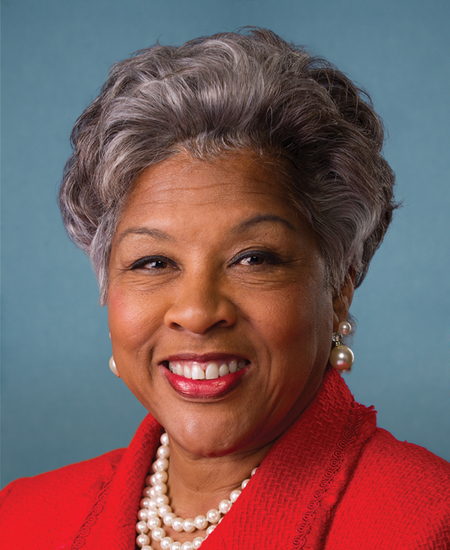
119th Congress Introduced by Joyce Beatty and 8 co-sponsors

The resolution urges states and local school systems to adopt inclusive anti-bullying and anti-discrimination policies protecting LGBTQI+ students, improving safety and learning en

Submitted in House
0
WeVote Research Nonpartisan
Bill Summary · HRES 1162

Summary of H.Res. 1162 (119th Congress)

Purpose and Intent

  • This resolution expresses support for the goals and ideals of Glisten (formerly GLSEN) and its 2026 Day of Silence.
  • It aims to bring attention to anti-LGBTQI+ bullying, harassment, discrimination, and other forms of victimization in K–12 schools.
  • It calls on communities nationwide to take action to ensure equal educational opportunity, basic civil rights protections, and freedom from erasure for all students, with a focus on LGBTQI+ youth.

Key Provisions and Changes

  • The resolution:
    • Reaffirms support for the National Day of Silence and related efforts to combat bullying and discrimination in schools.
    • Recognizes the contributions of LGBTQI+ students, teachers, families, and allies who participate in Day of Silence activities.
    • Encourages states, cities, and local educational agencies to adopt laws and policies that prohibit bullying and discrimination based on sexual orientation, gender identity, or sex characteristics (including intersex traits) to ensure safe, learning-focused school environments.
  • It does not create new federal mandates or funding programs; rather, it urges adoption of inclusive anti-bullying and anti-discrimination policies at state and local levels.

Who Is Affected

  • Primary focus on K–12 students who identify as LGBTQI+, including transgender, nonbinary, intersex students, and LGBTQI+ students who are people of color or living with disabilities.
  • Includes a wider audience of educators, staff, families, and communities who participate in or are affected by school climate and safety policies.
  • State and local educational agencies would be the principal actors expected to implement recommended policies and protections.

Substantive Content and Data Highlight

  • Cites findings from Glisten’s 2025 National School Climate Survey about:
    • High levels of verbal and physical harassment of LGBTQI+ students based on sexual orientation and gender identity.
    • Higher rates of unsafe feelings and safety-related school absences among LGBTQI+ youth.
    • The disproportionate impact of harassment on Black, Indigenous, and People of Color (BIPOC) LGBTQI+ students.
  • Notes widespread introduction of anti-LGBTQI+ legislation in states and its negative impact on mental health and school safety.
  • Emphasizes the importance of affirming policies (e.g., antibullying protections, inclusive dress codes, and inclusive classroom practices) to improve safety and educational outcomes.

Procedural and Timelines

  • Introduced in the House on April 9, 2026, by Rep. Takano (and multiple co-sponsors).
  • Referred to the House Committees on Energy and Commerce and Judiciary for consideration of provisions within their jurisdiction.
  • As a resolution, it serves as a statement of congressional position and guidance rather than a bill to be enacted into law.

Sponsorship and Support

  • Primary sponsor: Rep. Takano (with joint sponsorship from multiple representatives, including Joyce Beatty, Angie Craig, Eleanor Holmes Norton, Pramila Jayapal, Josh Gottheimer, Judy Chu, Lateefah Simon, Raja Krishnamoorthi, and Mark Takano).
  • Strong emphasis on coalition-building and signaling support for LGBTQI+ student safety and anti-bullying efforts.

Potential Impact

  • Elevates awareness of LGBTQI+ student safety issues at the federal level.
  • Encourages state and local entities to strengthen or adopt policies that protect LGBTQI+ students from bullying and discrimination.
  • Could influence school climate discussions, resource allocation, and training around inclusive practices.
  • Does not impose new funding or mandatory federal regulations, but aims to harmonize local standards with broader civil rights protections in education.

If you’d like, I can tailor this summary for a policy brief, public-facing flyer, or legislative tracking sheet with a concise one-page version.

Compiled from official sources — confirm details with the bill’s official record.

Sign in to ask a question.